Savannah is a city you can walk end to end before lunch, and it rewards the walking. James Oglethorpe’s 1733 plan gave the town a small public square every few blocks, so the historic district unfolds as a chain of shaded rooms: live oaks, a monument, a few benches, then another square. The best things to do in Savannah GA start there, in the squares and the house museums around them, and spread out to the river, the old cemeteries, Wormsloe’s avenue of oaks and the beach on Tybee Island.
This guide picks 40 things worth your time and groups them by area, so you can string them together without backtracking. Each comes with the details most lists leave out: what it costs, how long it takes, which days it’s closed, and whether it’s worth the trouble. Prices and hours were checked on the operators’ own websites in September 2026. Where an operator’s information conflicts, or we couldn’t confirm it, we say so instead of guessing.
Savannah at a Glance
| Question | Short answer |
|---|---|
| How long do I need? | Two full days covers the squares, a house museum or two, River Street and Forsyth Park. A third day lets you add Bonaventure Cemetery, Wormsloe or Tybee Island without rushing. |
| Do I need a car? | Not in the historic district, which you can cross on foot in about 25 minutes. You’ll want a car or a rideshare for Bonaventure, Wormsloe, Tybee Island and Fort Pulaski. |
| Best time to go | March to May and October to early December. July highs average 92°F with afternoon storms; January highs average a mild 61°F. |
| Biggest scheduling trap | Mondays. All three Telfair Museums sites, the Mighty Eighth Air Force museum and the Civil Rights Museum are closed. Tuesdays catch people too: the SCAD Museum of Art and both big Tybee attractions close that day. |
| Free highlights | The squares, Forsyth Park, River Street, Bonaventure and Colonial Park cemeteries, the Savannah Belles Ferry and the Laurel Hill Wildlife Drive. |
| Typical ticket | $12 to $20 for most museums and historic houses. The Telfair ticket is $30 but covers three sites for a week. |
Pick the Right Things for Your Trip
Savannah is small enough that you can see a lot, and repetitive enough that you shouldn’t try to see everything. Three antebellum house tours in one day blur together. Use this table to decide what to lead with.
| If you’re here for | Start with | Then add | Safe to skip |
|---|---|---|---|
| A first visit | Bull Street’s squares, Forsyth Park, the Owens-Thomas House | River Street at dusk, Bonaventure Cemetery | A hop-on trolley, if you’re comfortable walking two or three miles a day |
| History, told straight | Owens-Thomas House & Slave Quarters, First African Baptist Church, the Civil Rights Museum | Pin Point Heritage Museum, Wormsloe | Ghost tours that sell legend as fact |
| Architecture and gardens | Jones Street, the Davenport House, Monterey Square | Andrew Low House, the garden at Ships of the Sea | Driving tours; the detail is at walking speed |
| Kids | Georgia State Railroad Museum, Old Fort Jackson, Oatland Island | Tybee’s beach and Marine Science Center | Back-to-back house tours (the Davenport’s runs 60 to 70 minutes) |
| A rainy day | Jepson Center, SCAD Museum of Art, Ships of the Sea | American Prohibition Museum, the Mighty Eighth | Bonaventure, Wormsloe and the beach |
| A tight budget | The squares, Forsyth Park, Bonaventure, the Belles Ferry | The Cathedral ($3 suggested donation) | Paid ghost walks; the squares at night are free |
| Beach time | Tybee Island | Fort Pulaski, which is on the way | Tuesday, when Tybee’s lighthouse and marine center are closed |
The 40 picks below run roughly from the center of town outward. Prices are for one adult unless we say otherwise.
The Historic District on Foot
1. Walk Bull Street from Johnson Square to Forsyth Park
If you only do one thing, do this. Bull Street runs south from City Hall through five squares, each with a monument at its center: Johnson (the first, laid out in 1733, where Revolutionary War general Nathanael Greene is buried under the obelisk), Wright (a granite boulder honors Tomochichi, the Yamacraw leader who negotiated with Oglethorpe), Chippewa (Daniel Chester French’s statue of Oglethorpe, and the spot where Forrest Gump’s bench scenes were filmed), Madison and Monterey. Twenty-two of the 24 squares laid out by the 1850s survive, and these five, known as the monument squares, are the ones everyone photographs.
Plan it: Free. Allow 45 minutes at a stroll, longer if you read the markers. Go before 10am in summer, when the shade still does its job.
2. Spend a Saturday morning in Forsyth Park
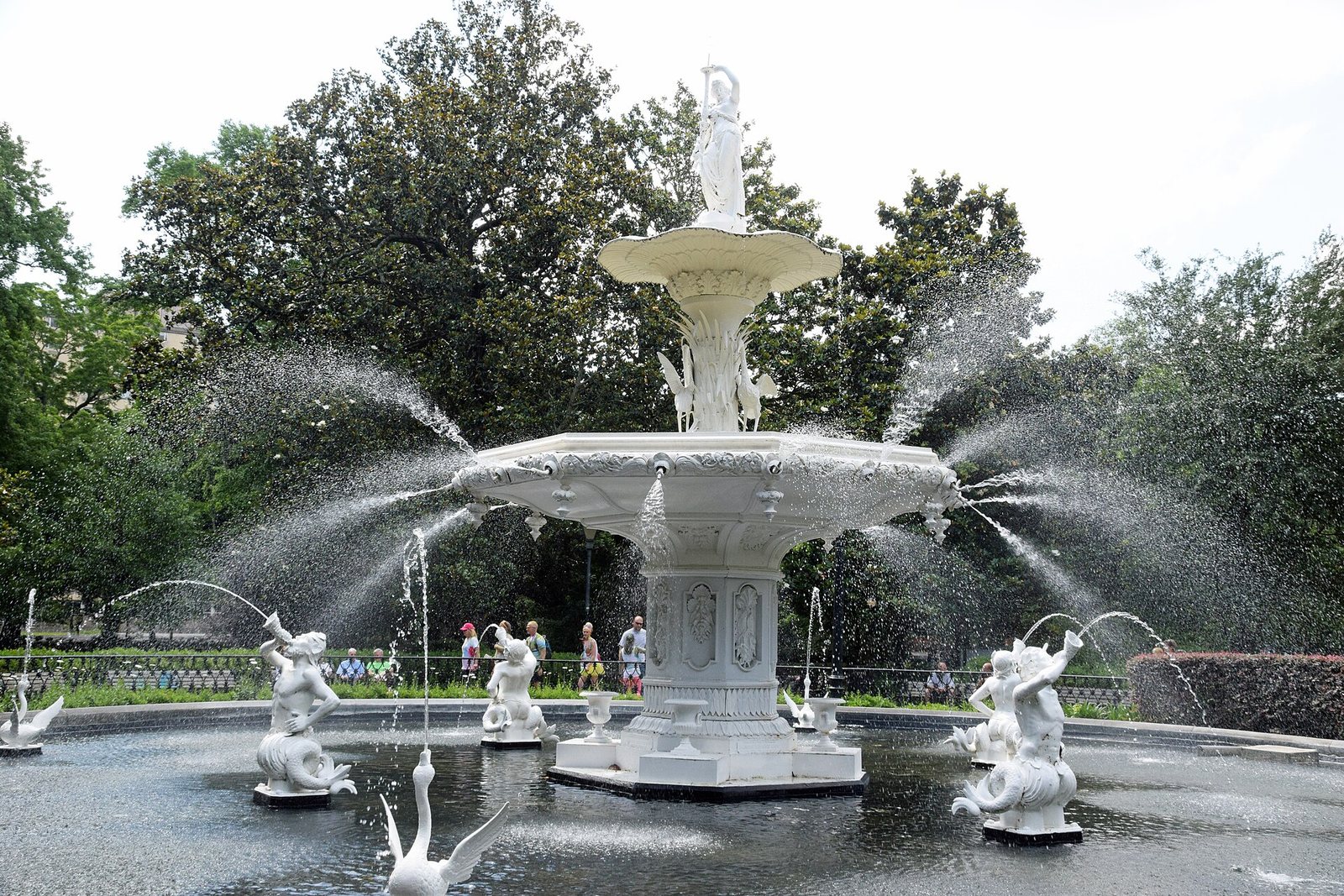
Thirty acres of lawn and live oaks at the south end of the historic district, anchored by the 1858 fountain that appears on half the postcards in town. The fountain spent months dry in 2025 during its first major restoration since 1988, and it has been running again since December 19, 2025. On Saturdays the Forsyth Farmers’ Market sets up at the south end, which is the best reason to be here before lunch: local produce, coffee, and a good cross-section of Savannah that isn’t on vacation.
Plan it: Free. The market runs Saturdays 9am to 1pm year-round, rain or shine, near Bull Street and Park Avenue. A new shade garden opened on the park’s west side in February 2026.
3. Wander Jones Street and the side streets
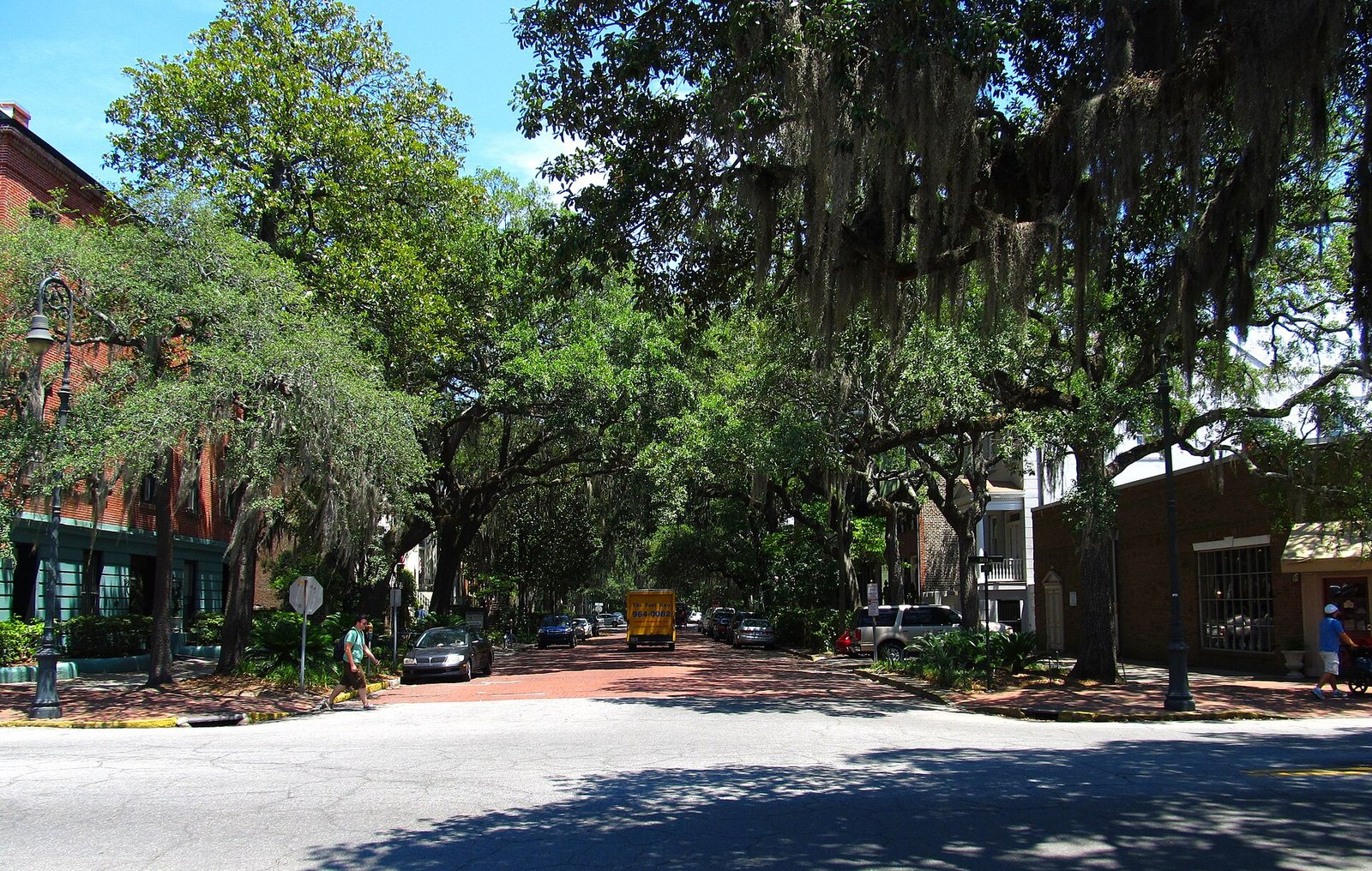
The squares get the attention, but the residential blocks between them are where Savannah looks most like itself. Jones Street, between Bull and Abercorn, is brick-paved and roofed over with live oaks, lined with 19th-century rowhouses and their iron stair rails. Walk it slowly, then take any cross street south and keep going. Nothing here needs a ticket, and almost nothing is signposted, which is part of the appeal.
Plan it: Free. These are private homes, so stay off the stoops.
4. Square-hop beyond Bull Street
Once you’ve done the main line, wander east and west. Troup Square has an iron armillary sphere and a drinking fountain built for dogs. Whitefield Square has a gazebo and, on most spring weekends, a wedding. Warren and Columbia squares, in the older northeast wards, are quieter and lined with some of the earliest houses in town. Taylor Square, at Abercorn and Wayne, was Calhoun Square until 2023, when the city dropped the name of the pro-slavery senator John C. Calhoun and renamed it for Susie King Taylor, who escaped slavery as a teenager, taught freed children to read and later wrote a memoir of serving with a Black Union regiment.
Plan it: Free. A loose loop through the eastern squares takes about an hour.
5. Lafayette Square: the Cathedral and Flannery O’Connor’s childhood home
Two of the best stops in the district face each other across one square. The Cathedral Basilica of St. John the Baptist is the most striking interior in the city, all stained glass, painted ceilings and murals, rebuilt after a fire gutted the church in 1898. It’s a working parish, not a museum, so it closes to sightseers during services, weddings and funerals. Across the square, the narrow rowhouse where Flannery O’Connor spent her first 13 years is now a small museum. The guided tour is good on how a Savannah Catholic childhood shaped one of the strangest and funniest writers in American fiction.
Plan it: The Cathedral is open to visitors Monday to Saturday 9 to 11:30am and 1 to 4:30pm, Sunday 1 to 4:30pm. No ticket; a $3 donation is suggested, and there’s an elevator on the Harris Street side. The O’Connor home opens Thursday to Sunday 10am to 5pm, with guided tours at 11am, 1pm and 3pm (45 to 60 minutes); book online or at 912-233-6014, and check the price when you do. It has several flights of stairs and isn’t wheelchair accessible.
6. Read the stones in Colonial Park Cemetery
Savannah’s burial ground from about 1750 until it closed to new burials in 1853, now a shady walled park at Oglethorpe and Abercorn. Button Gwinnett, one of Georgia’s signers of the Declaration of Independence, is buried here, though nobody knows exactly where. The tour-group version comes heavy on yellow fever and ghosts. The markers, read on your own, are more interesting than most of the stories.
Plan it: Free. Open 8am to 8pm while daylight saving time is in effect, 8am to 5pm the rest of the year.
7. Walk Broughton Street, with a stop at Leopold’s
Broughton is downtown’s main shopping street: chain stores, local boutiques and SCAD’s restored Trustees Theater. Its best-known address is Leopold’s Ice Cream, opened in 1919 by three brothers from Greece. The line out the door at 8pm on a summer night is part of the experience; so is the tutti frutti. If the line is long, come back after lunch on a weekday.
Plan it: Leopold’s, 212 East Broughton, opens noon to 9pm Sunday to Thursday and 11am to 10pm Friday and Saturday.
8. Browse City Market and Ellis Square
Four blocks of restored warehouses with galleries, restaurants and bars, next to Ellis Square. The square has a loaded history. The city tore down its market hall in 1954 to build a parking garage, and the loss helped start Savannah’s preservation movement. The garage moved underground and the square came back in 2010, with a splash fountain kids run through all summer. City Market itself is touristy, and knows it. Come for an hour, not an afternoon.
Plan it: Free to wander. The city garage under Ellis Square was closed for repairs in 2025; the Bryan Street, Robinson and State Street garages are the fallbacks (see parking, below).
9. Take one good walking tour early in your trip
A two-hour guided walk on your first morning gives the squares names and the houses owners. Everything after makes more sense. Savannah has dozens of operators, and quality varies. Ask whether a tour covers the city’s enslaved and free Black history as part of the main story, and whether the guide separates documented history from legend. A guide who says “we don’t actually know” is usually the one worth hiring.
Plan it: Most walking tours run 90 minutes to two hours. Book the first morning, not the last.
Museums and Historic Houses
10. Owens-Thomas House & Slave Quarters
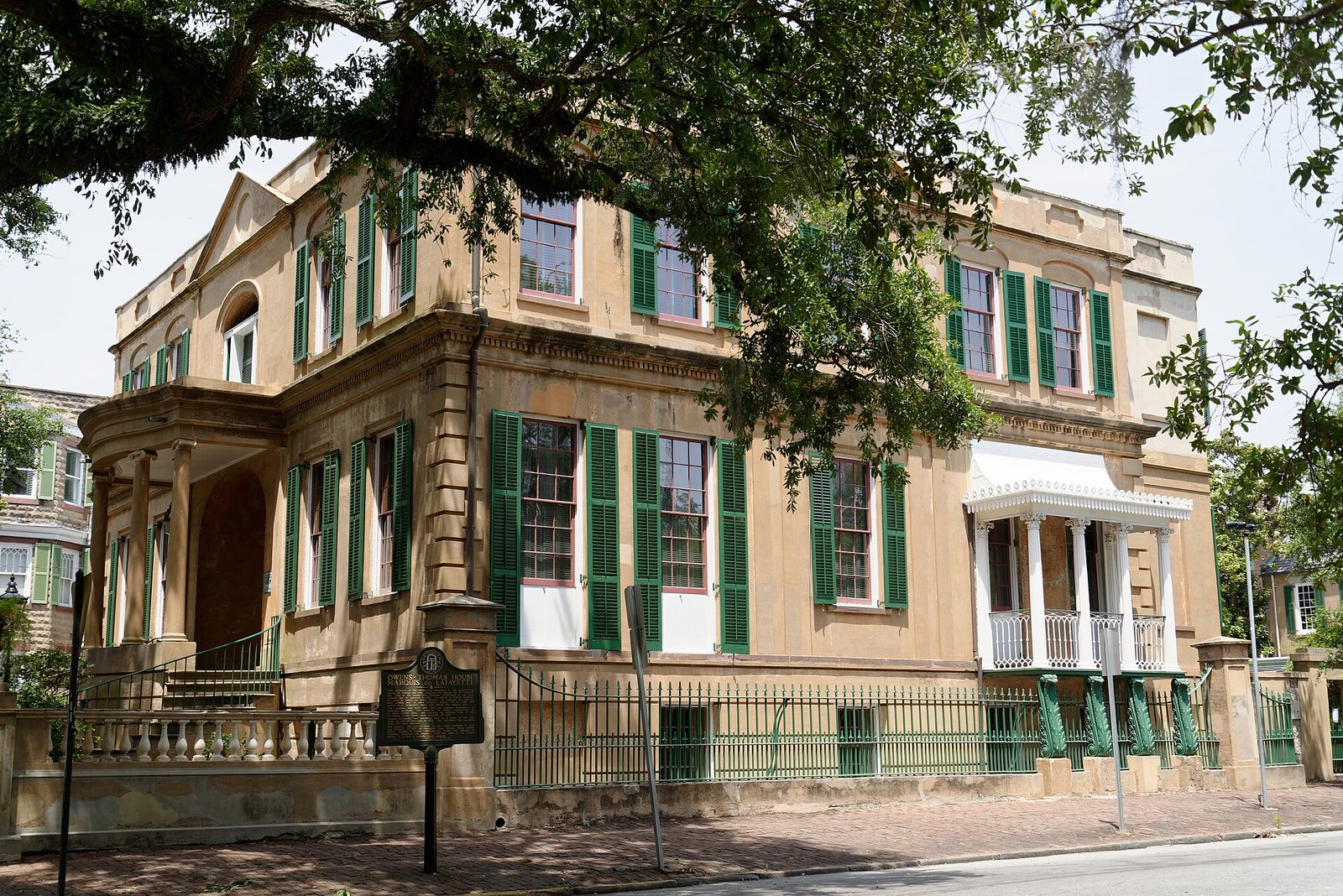
If you tour one house in Savannah, make it this one. The English architect William Jay designed it, and it was finished in 1819. Lafayette addressed a crowd from its side balcony in 1825. What sets it apart is the tour, which starts in the slave quarters behind the house, under a ceiling still painted its original haint blue, and tells the story of the people who were enslaved here alongside the family who owned them. It’s the most candid house tour in the city.
Plan it: Tuesday to Sunday, closed Monday. Guided tours leave every 15 minutes from 10am until about 3:30pm, then it’s self-guided audio until the 4pm cutoff. Groups are capped at 12, and you get a tour time when you check in on site, so arrive early on busy weekends. Allow 45 to 60 minutes. Admission is on the $30 Telfair ticket (below). No elevator.
11. Telfair Academy and the Jepson Center
The other two Telfair Museums sites cover the rest of the art. The Telfair Academy, another William Jay mansion, opened as a public museum in 1886 and holds American and European painting, plus the Bird Girl statue from the cover of Midnight in the Garden of Good and Evil, moved here from Bonaventure Cemetery to protect it. The Jepson Center across Telfair Square is the modern wing: Moshe Safdie’s white stone and glass building, with rotating contemporary shows and a hands-on gallery for kids.
Plan it: $30 covers all three Telfair sites, with unlimited visits for seven days. There’s no single-site ticket. Seniors and military pay $27, students 13 to 25 pay $20, and kids 6 to 12 pay $10. All three sites are open Tuesday to Sunday, 10am to 5pm, and closed Mondays and on St. Patrick’s Day.
12. SCAD Museum of Art
The Savannah College of Art and Design shapes the city in more ways than visitors notice. It owns dozens of restored buildings, and its museum is the best contemporary art space in the region. The building is a clever piece of reuse, with a long glass-and-steel gallery set into the brick walls of an 1850s railroad warehouse. Exhibitions change often, and big contemporary installations are the norm.
Plan it: Open Monday and Wednesday to Saturday 10am to 5pm, Sunday noon to 5pm, and closed Tuesday. Check the museum’s site for current admission. We couldn’t confirm a standard adult price for fall 2026.
13. First African Baptist Church
The congregation traces its roots to 1773 and is one of the oldest Black congregations in North America. Its brick church on Franklin Square was finished in 1859, built by members who were enslaved and free. The history tour covers that story and the building’s details, including the patterned holes in the lower floor, which church tradition connects to the Underground Railroad.
Plan it: Tours run Monday to Saturday at 1pm only. $15, or $12 for seniors, military and students. Arrive 10 minutes early. Tours can be cancelled for church events, so check before you build a day around one.
14. Ralph Mark Gilbert Civil Rights Museum
Savannah’s civil rights movement produced one of the most effective and least nationally known campaigns of the era, including the 1960s boycotts and sit-ins that desegregated downtown. This museum, in a former Black-owned bank building on Martin Luther King Jr. Boulevard, tells that story through local people, starting with the pastor it’s named for. It’s modest in size and essential if you want to understand the city rather than just look at it.
Plan it: Tuesday to Saturday 10am to 5pm, last tour at 3:30pm. $15 for adults, $8 seniors, $7 students. Individual tickets are card-only.
15. Juliette Gordon Low Birthplace
The founder of the Girl Scouts was born here in 1860, and the house is a pilgrimage site for troops from all over the country. The guided tour is good on Low herself, an unconventional, partly deaf, determined woman. It’s worth doing even if you were never a scout.
Plan it: $15, or $12 for seniors, military and students 5 to 21. Book ahead online; tours sell out in June, July and school holidays. The operator’s own pages disagree about opening days, so confirm the schedule before you go (912-233-4501). Full elevator access, with a street-level entrance through the garden.
16. Davenport House
A handsome 1820 Federal house, and the reason so much of Savannah still stands. When it was about to be demolished in 1955, seven local women raised the money to buy it, and their group became the Historic Savannah Foundation, which went on to save hundreds of buildings. The tour is thorough and the furnishings are excellent.
Plan it: Monday to Friday 11am to 3:30pm and Saturday 10am to 4pm, closed Sunday. Tours are timed, hold 15 people and last 60 to 70 minutes; book a slot. $15. Three sets of curved stairs and no elevator. The $36 Pioneers in Preservation Pass covers this house, the Andrew Low House and Ships of the Sea, and saves roughly $10 if you visit all three.
17. Andrew Low House
An 1849 house on Lafayette Square where Juliette Gordon Low lived as an adult, and where she died in 1927. The furnishings are strong, and tours leave every half hour. If you’ve already done the Birthplace, this completes her story. If you’ve already done two other houses, you can skip it.
Plan it: Monday to Saturday 10am to 4pm, Sunday noon to 4pm, with tours on the hour and half hour. $15, or free for active military. The house isn’t wheelchair accessible.
18. Ships of the Sea Maritime Museum
Ship models are an acquired taste, but this collection wins people over, partly through the setting: the 1819 Scarbrough House, another Jay design, with a big, quiet garden behind it that makes a good midday break. It suits the subject: William Scarbrough, who built the house, was the main backer of the SS Savannah, which in 1819 became the first steamship to cross the Atlantic.
Plan it: Daily 10am to 5pm, last entry 4:30pm. $17.50, or $14.50 for students, seniors and military. Allow at least an hour. The gardens are accessible and a lift reaches the main floor; the upper floors are stairs only.
19. Monterey Square: the Mercer Williams House and Mickve Israel
Savannah’s most photographed square has two very different reasons to stop. The Mercer Williams House is the house at the center of Midnight in the Garden of Good and Evil. The 1981 shooting that made it famous happened in the study, and the tour covers the architecture and Jim Williams’s restoration while staying discreet about the case. (Johnny Mercer’s great-grandfather started building the house, but the songwriter never lived here.) Across the square is Congregation Mickve Israel. Jewish settlers reached Savannah in July 1733, five months after Oglethorpe, and theirs is the third-oldest congregation in the United States. Its 1878 synagogue is a rare Gothic Revival design, and the small museum holds a colonial-era Torah and letters from George Washington and other early presidents.
Plan it: Mercer Williams House tours cost $14.95 plus tax, last about 35 minutes and leave every 20 to 40 minutes, Monday to Saturday from 10:30am and Sunday from noon. First come, first served, and not wheelchair accessible. Mickve Israel’s 45-minute guided tours run on weekdays only, at set times in the morning and early afternoon, for $8. Book online. Its site blocked our checks, so confirm the times when you book.
20. Savannah History Museum and Georgia State Railroad Museum
Two Coastal Heritage Society museums side by side on the west edge of downtown. The history museum, in the 1860 railroad passenger station, is a solid primer and displays Forrest Gump’s actual bench. Next door, the railroad museum occupies the old Central of Georgia repair shops, with a working turntable, locomotives and a roundhouse that kids tend to love. Outside, a small park marks the battlefield of the 1779 Siege of Savannah. The railroad ticket now also covers the new STEAM Center, which opened in November 2025 with a mirror maze.
Plan it: Both open daily 9am to 4pm. The history museum is $12 and the railroad museum $20. A $30 “See 3” ticket covers any three Coastal Heritage Society sites, including Old Fort Jackson and Pin Point, over three days.
21. American Prohibition Museum
A Prohibition museum with a working speakeasy is exactly as much fun as it sounds, and more informative than you’d expect: the bootleggers and the temperance crusaders get equal time. It’s in City Market and is fully accessible, with an elevator.
Plan it: Daily 10am to 5pm, final entry 4:15pm; closed on St. Patrick’s Day. Museum tickets start around $17.57 before a drink, about $30 with one. Allow 45 minutes to an hour.
The Riverfront
22. River Street, early or late
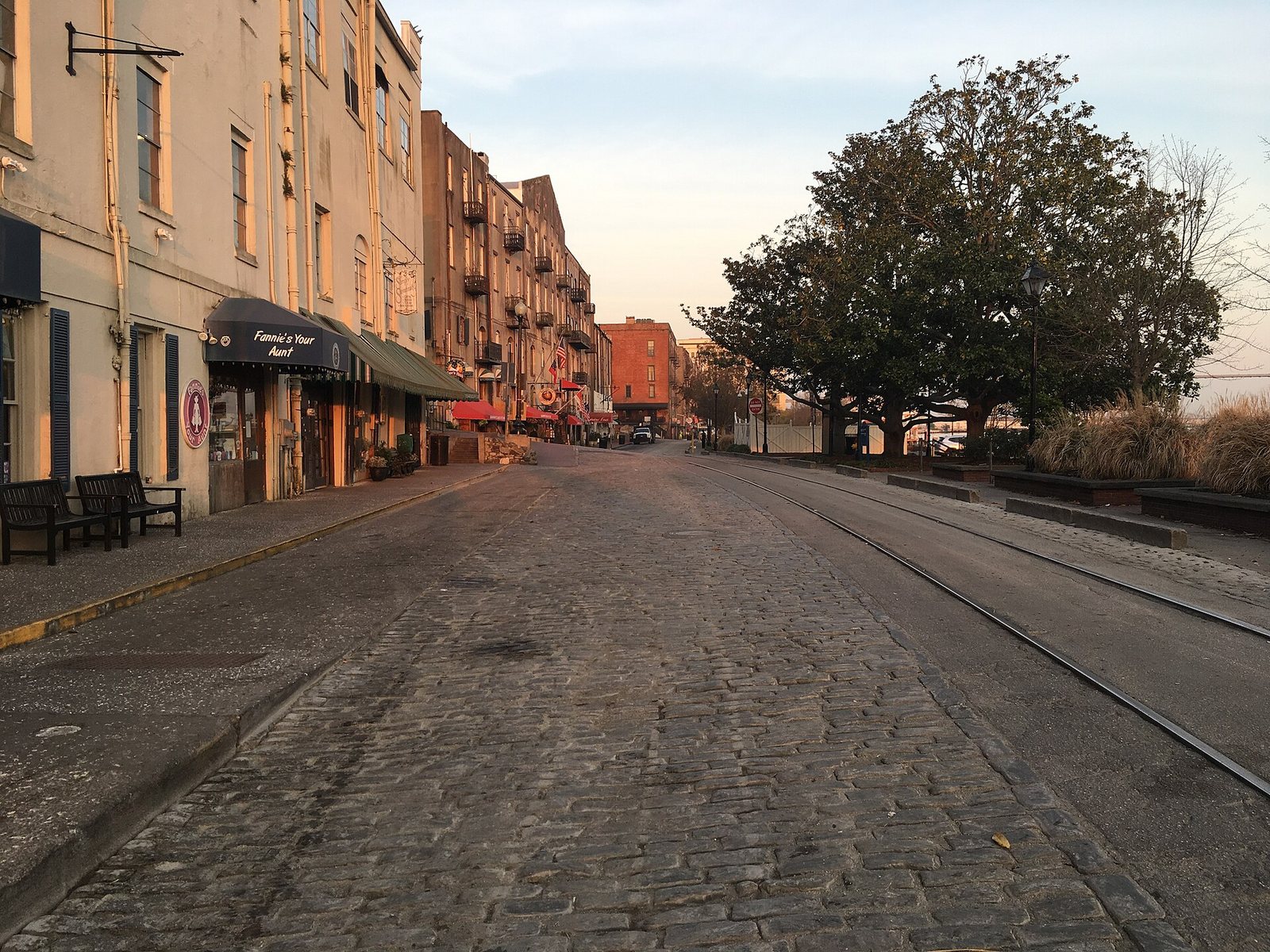
River Street runs along the Savannah River below the bluff, lined with cotton warehouses from the decades when Savannah was one of the world’s great cotton ports. Today it’s candy shops, T-shirts, bars and hotel patios, and at midday in July it’s hot, crowded and ordinary. Come at 8am, when the cobblestones are empty, or after dinner, when the lights come on. Either way, wait for a ship. Enormous container vessels slide past close enough to read the names, on their way to the Port of Savannah’s terminals upriver.
Plan it: Free. The ramps and stairs down from Bay Street are steep, and the cobblestones are rough underfoot. Two public elevators link Bay Street to the riverfront, one between the Hyatt and City Hall and one at The Alida hotel on the west end. Factors Walk, the iron bridges and alleys between the warehouses, is worth a slow look on the way down.
23. The Waving Girl
Florence Martus lived on Elba Island downriver and, from 1887 until 1931, waved a handkerchief (and at night a lantern) at every ship entering or leaving the port. Sailors around the world knew her. Felix de Weldon, who sculpted the Iwo Jima memorial, made her statue, which stands with her collie in Morrell Park at the east end of River Street. Stand beside her while a ship passes and the whole thing clicks.
Plan it: Free. The Waving Girl Landing ferry stop is right next to it.
24. Ride the Savannah Belles Ferry
The cheapest river cruise in town is free. Chatham Area Transit’s little passenger ferries shuttle across to Hutchinson Island and the convention center, and the short crossing gives you the best view of the River Street skyline. If you want narration and a longer loop, paid sightseeing cruises leave from River Street too.
Plan it: Free, daily 7am to 10pm, except Thanksgiving, Christmas and New Year’s Day. Boats stop at City Hall, the Waving Girl landing and the Westin on Hutchinson Island. Expect one every 20 to 30 minutes, and note that the Waving Girl stop is served only in daytime. Bikes and leashed dogs are welcome. Savannah Riverboat Cruises’ 90-minute narrated harbor cruise costs $37.95 for adults.
25. Plant Riverside District
A 1912 power plant at the west end of River Street, reborn in 2020 as a hotel, restaurant and entertainment complex. You don’t need to stay or spend anything to walk through its Generator Hall, where a 135-foot dinosaur skeleton shares space with fossils and a big mineral collection. The riverwalk extension in front of it is the calmest stretch of the waterfront.
Plan it: Free to walk through. Concerts at its outdoor stage are ticketed.
Savannah’s Cemeteries
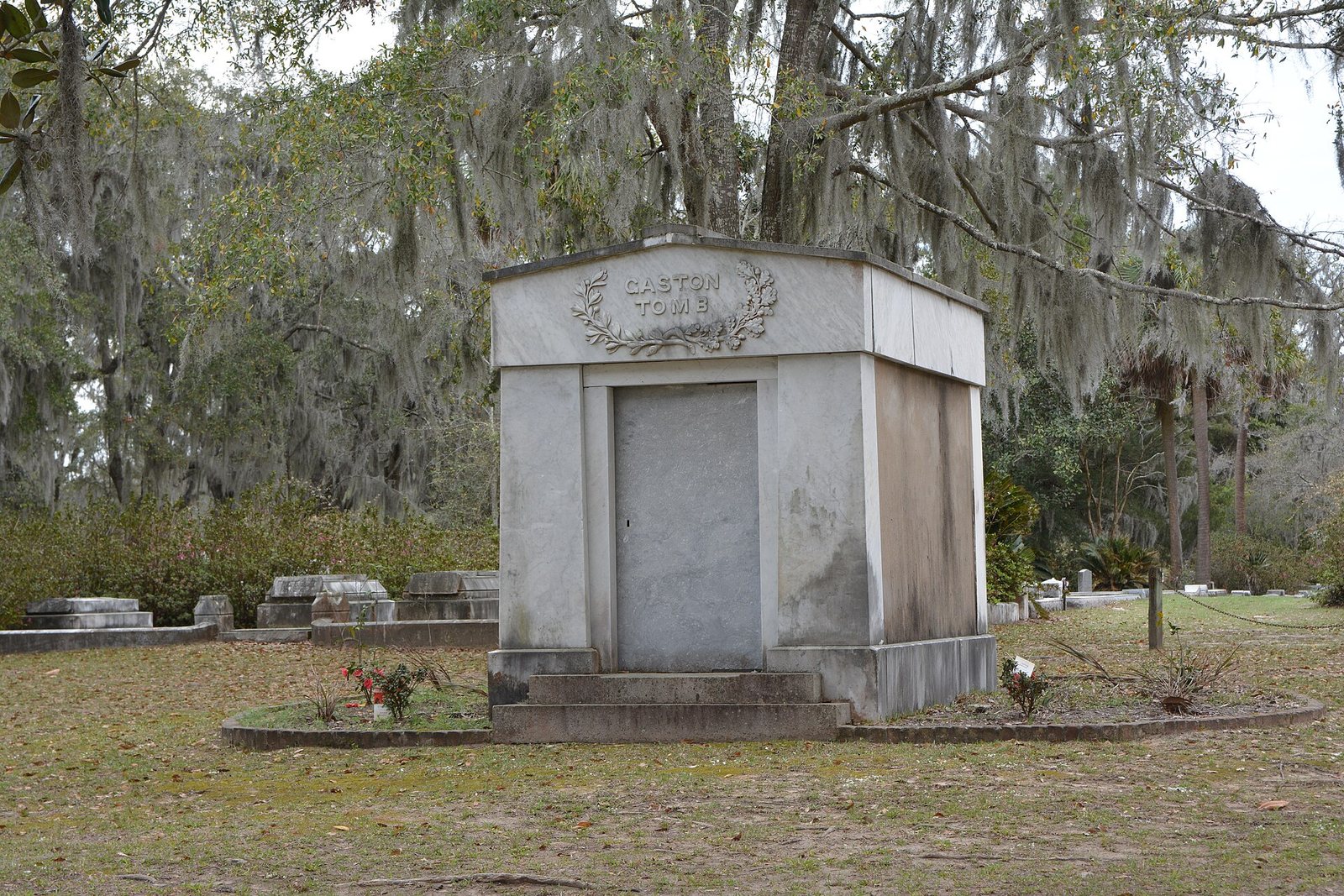
26. Bonaventure Cemetery
About three miles east of downtown, on a bluff above the Wilmington River, Bonaventure is the Southern Gothic you came for: long avenues of oaks, moss hanging in sheets, marble angels going green. Johnny Mercer is buried here, as is the poet Conrad Aiken, whose bench-shaped marker invites you to sit. The statue of six-year-old Gracie Watson is one of the most visited graves. Read the plaques and look at the monuments. You won’t need the ghost stories.
Plan it: Free, daily 8am to 5pm. The Bonaventure Historical Society’s visitor center at the entrance sells maps for an $8 donation, and it runs free volunteer-led tours on the second weekend of each month (a free ticket is required). Paranormal tours aren’t allowed. Get there by 3:30pm; the gates close at 5.
27. Laurel Grove Cemetery
Fewer visitors, more history per acre. Laurel Grove opened in the 1850s and was divided by race. Juliette Gordon Low is buried in the north section. Laurel Grove South is one of the most significant African American burial grounds in the country, where generations of Savannah’s Black ministers, business owners and families lie, some in plots that predate emancipation.
Plan it: Free, daily 8am to 5pm. It’s a short drive southwest of the historic district, and the grounds are large, so bring water.
Beyond Downtown: Half-Day and Day Trips
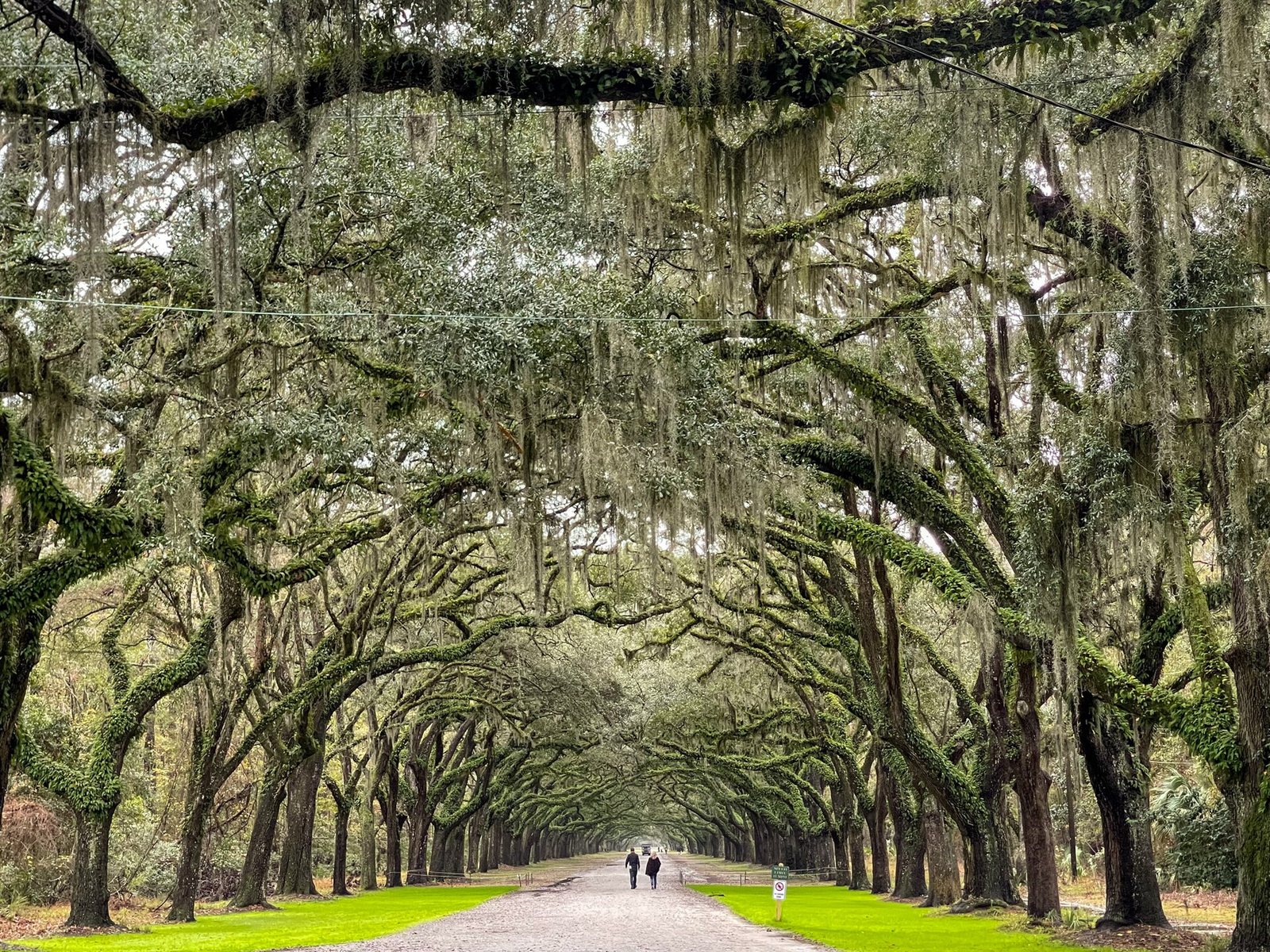
28. Wormsloe State Historic Site
The photograph you’ve seen, of an avenue of live oaks running to a vanishing point, is real and about 10 miles southeast of downtown. The avenue runs for 1.5 miles to the historic area, where a short trail leads to the tabby ruins of Noble Jones’s fortified house from the 1740s, the oldest standing structure in Savannah. One change catches people out: since a new visitor center opened in 2024, you no longer drive down the avenue. You park at the visitor center and ride a trolley, walk or cycle it instead, which makes for a far better photo without a line of cars.
Plan it: Daily 9am to 4:45pm, closed Thanksgiving and Christmas. $12 plus tax for adults 18 to 61, $9 for seniors and $5.75 for ages 6 to 17. Trolleys leave about every 30 minutes. Allow two hours with the trails. An all-terrain track chair is available.
29. Pin Point Heritage Museum
Pin Point is a Gullah Geechee community on the marsh south of the city, settled in the 1890s by families freed from slavery on the barrier islands. The museum sits in the old oyster and crab factory where many of them worked until it closed in 1985, and it tells the community’s story in its own voices. It’s one of the most moving small museums on the Georgia coast, and the one visitors most often miss because it keeps short hours.
Plan it: Thursday to Saturday only, 9am to 4pm. $15. It’s 10 minutes from Wormsloe, so pair them.
30. Tybee Island’s beach
Savannah’s beach is on Tybee Island, about 18 miles east at the end of US 80, roughly a 30-minute drive without traffic. It’s a low-key, slightly scruffy beach town rather than a resort, with a pier, wide sand and plenty of casual seafood. On summer weekends US 80 is the only road in and out, and it backs up. Leave before 9am or after 3pm.
Plan it: Parking is $4 an hour citywide, 8am to 8pm every day of the year, or $25 for a day pass, paid by app or kiosk (no cash). No dogs on the beach, no glass (a $300 fine) and stay off the dunes. The city lends free beach wheelchairs; call (912) 472-5089.
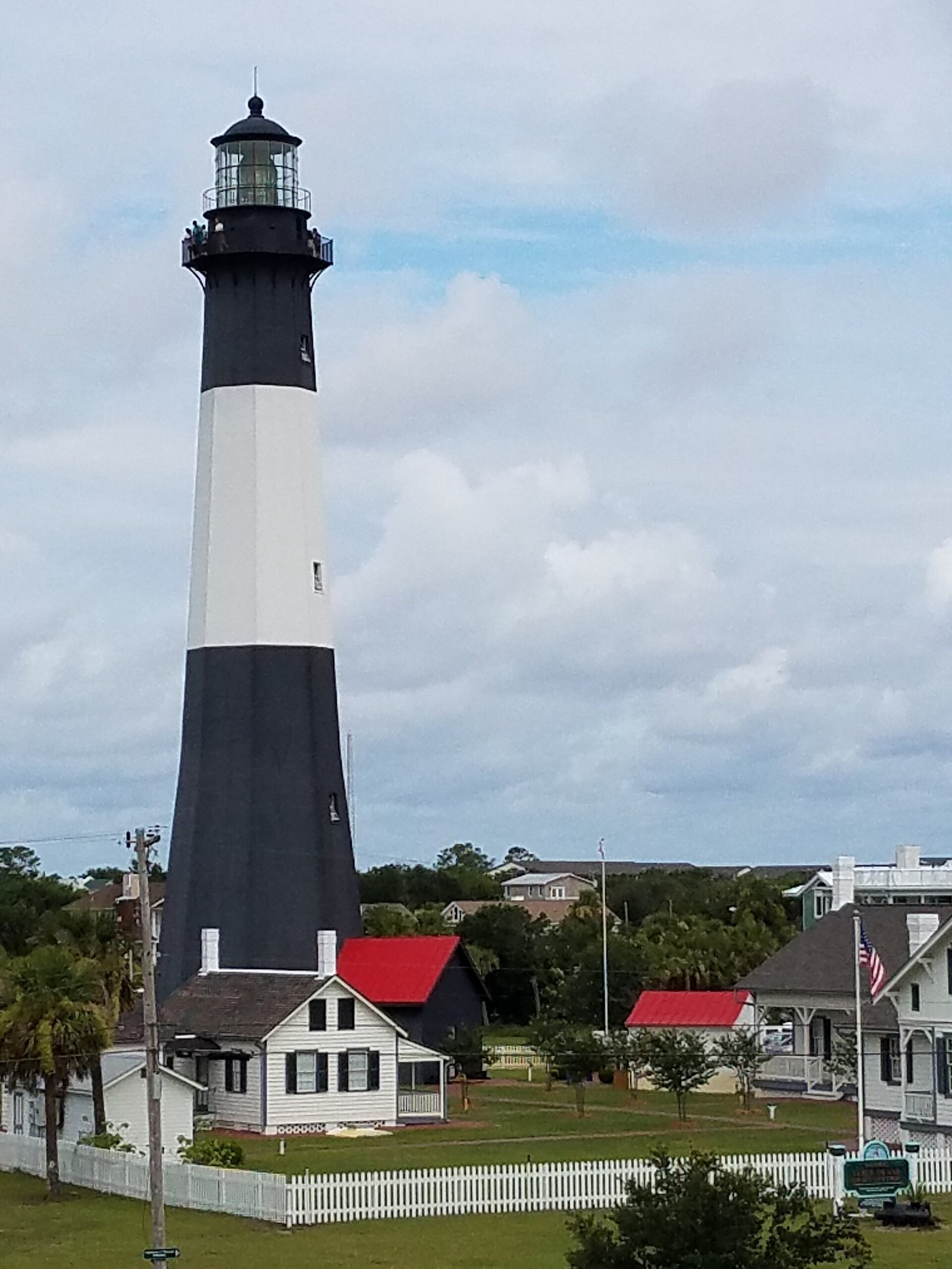
31. Tybee Island Light Station and Marine Science Center
Georgia’s oldest and tallest lighthouse was first built in 1736. The lower 60 feet of today’s tower date from 1773 and the top from 1867. Climbing its 178 steps, with a landing every 25, earns you the best view on the coast. The keepers’ cottages beside it are part of the visit. For kids, the Tybee Island Marine Science Center, just along Meddin Drive from the lighthouse, is small, hands-on and good on sea turtles and the local marsh.
Plan it: The lighthouse is open 9am to 4:30pm and closed Tuesdays. $14 for adults, $12 for seniors, ages 6 to 17 and military. Admission includes two hours in the lighthouse lot. No elevator and no backpacks on the climb. The Marine Science Center is also closed Tuesdays; adults $15, kids 5 to 12 $12.
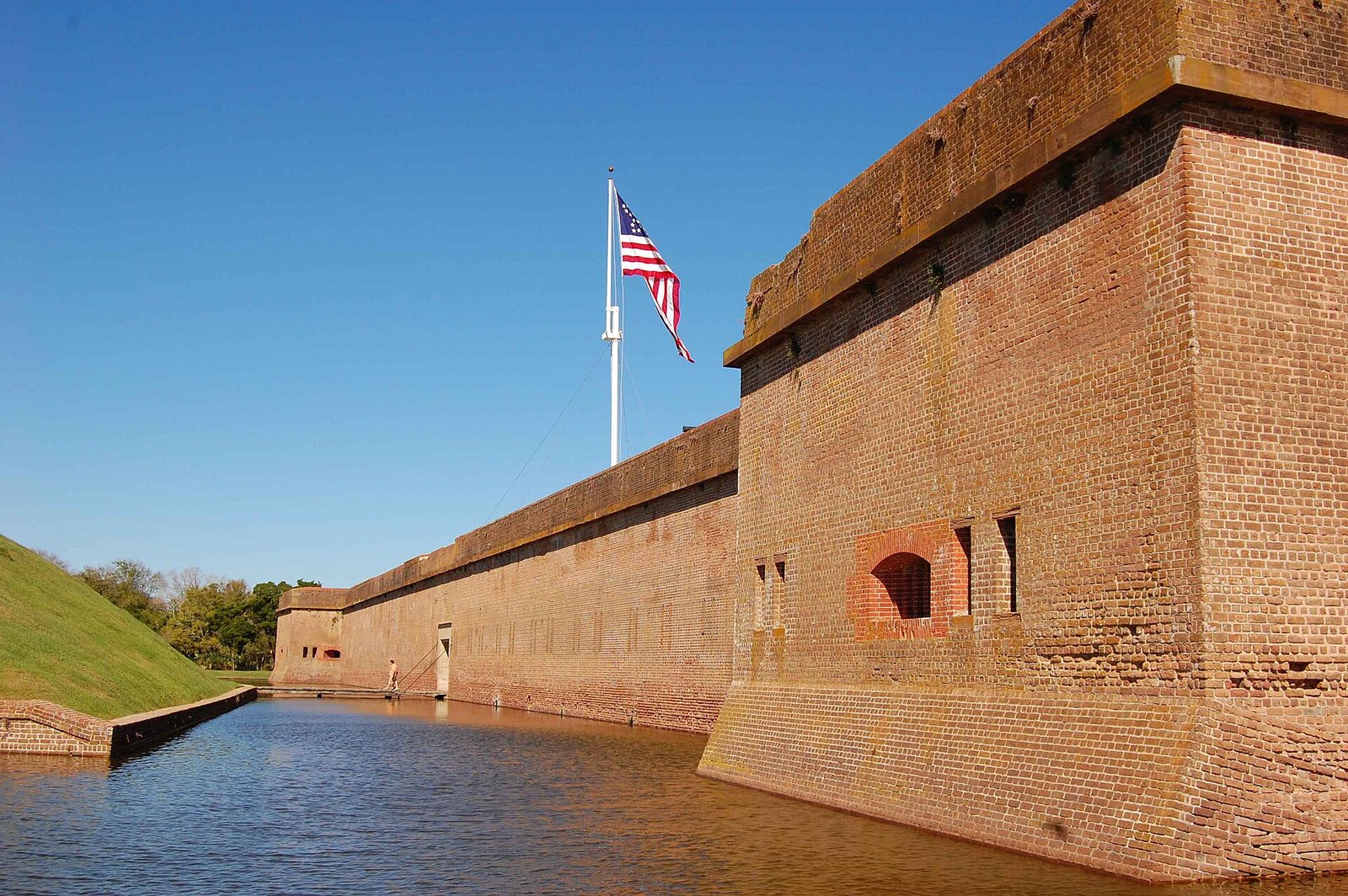
32. Fort Pulaski National Monument
On Cockspur Island, just before Tybee, stands a brick fort that was supposed to be unbreachable. A young Army engineer named Robert E. Lee worked on it. In April 1862 Union rifled cannon breached those walls in about 30 hours, a result that made masonry forts obsolete overnight. You can still see the shell damage. The moat, the drawbridge and the casemates make it the best history stop on the drive to the beach.
Plan it: $10 per person 16 and over, valid for seven days, card only. The fort is open 9am to 4:30pm and the visitor center 9am to 5pm. A trail of under two miles round trip leads to an overlook of the Cockspur Island Lighthouse, which is closed to visitors. The casemates have ramps, but the upper level is reached by steep stairs.
33. Old Fort Jackson
Georgia’s oldest standing brick fort sits on the river about three miles east of downtown. It’s smaller than Pulaski and quicker to see, which makes it a good pick for kids who have run out of patience for house tours.
Plan it: Daily 9am to 4pm. $15, or $10 for kids 3 to 12. It’s included in the Coastal Heritage Society’s $30 “See 3” ticket.
34. Oatland Island Wildlife Center
A two-mile loop of trail and boardwalk through woods and marsh on the way to Tybee, past enclosures of animals native to the Southeast. It’s run by the local school system as an education center. That keeps it cheap, unflashy and a genuinely good two hours with children.
Plan it: Daily 10am to 4:30pm, with no entry after 3:30pm. $7 for adults, $5 for ages 4 to 17 and seniors. No pets. It’s about five miles east of downtown.
35. Skidaway Island State Park
Salt marsh, maritime forest, fiddler crabs and a boardwalk out over the tidal creeks, about 20 minutes southeast of downtown. It’s the easiest way to see the Lowcountry landscape up close without a boat. Check trail status before you go. As of September 2026 the one-mile Sandpiper Trail, which has boardwalks and is accessible, had reopened, while the Avian Loop was closed for bridge repairs and the observation tower was under renovation.
Plan it: Parking is $10 per vehicle per day, up from $5 at the start of 2026.
36. Savannah National Wildlife Refuge
Across the river in South Carolina, 20 minutes or so from downtown, the refuge’s Laurel Hill Wildlife Drive loops 4.5 miles along the dikes of old rice fields. You stay in your car and alligators, herons and ibis get on with their day a few yards away. Early morning and late afternoon are best, and winter brings ducks by the thousands.
Plan it: Free, sunrise to sunset daily. The visitor center, a few miles away in Hardeeville, is open weekdays 10am to 2pm. Pets stay in the car.
37. National Museum of the Mighty Eighth Air Force
The Eighth Air Force was activated in Savannah in 1942, and this museum in Pooler, 15 or 20 minutes west near the airport, tells its story from the bomber crews’ point of view. The restored B-17 City of Savannah is the centerpiece. Aviation and World War II fans will want most of a morning, and it’s an easy stop on the way to or from a flight.
Plan it: Tuesday to Saturday 10am to 5pm, Sunday noon to 5pm, closed Monday. $13, seniors $12, kids 6 to 12 $9. The museum suggests two to two and a half hours. Fully wheelchair accessible.
Food, Drink and Savannah After Dark
38. Lunch at Mrs. Wilkes’ Dining Room
Since the 1940s, this boarding-house dining room on Jones Street has seated strangers together at big tables loaded with fried chicken, collards, black-eyed peas, candied yams and a dozen other bowls passed hand to hand. You’ll queue on the sidewalk, and it’s worth it once.
Plan it: Weekdays only, 11am to 2pm, lunch only. $35 for ages 13 and up, $17.50 for kids, tax included. Cash or check only (there’s an ATM inside). No reservations; the line starts forming around 9:30am. Closed from January 1 to mid-February every year.
39. Eat and drink in the Starland District
About a ten-minute walk south of Forsyth Park, Starland is where much of Savannah goes out when it isn’t entertaining visitors: murals, small galleries, vintage shops and some of the city’s best casual restaurants. Its anchor is Starland Yard, an open-air food park with a bar, three built-in kitchens and a rotating cast of food trucks. It’s exactly what you want on a warm evening when nobody in the group can agree on dinner.
Plan it: Starland Yard, 2411 De Soto Avenue, opens 5 to 10pm Monday to Thursday, noon to 10pm Friday and Saturday, and noon to 9pm Sunday. Thursday to Saturday nights usually have the most trucks.
40. Savannah after dark: a ghost tour, a to-go cup, the squares by lamplight
Savannah likes to call itself one of America’s most haunted cities, and the ghost-tour business is enormous. Pick one that’s upfront about which parts are history and which are campfire stories. The Sorrel-Weed House’s nightly tour ($35, ages 10 and up, reservations required) is one of the better-known options. Or skip the ticket entirely. If you’re 21 or over, the historic district lets you carry a drink with you: one per person, in a plastic, paper or aluminum cup of up to 16 ounces, anywhere between the river and Jones Street. Walking the squares after dark, under the streetlamps and live oaks, costs nothing and is the best part of the evening anyway.
What’s Open When: Plan Around Mondays and Tuesdays
Savannah’s opening days aren’t consistent, and the gaps catch people out every week. Check this before you fix a day’s plan.
| Day | Closed or limited | Good bets that day |
|---|---|---|
| Monday | Telfair Academy, Jepson Center and Owens-Thomas House; Mighty Eighth museum; Civil Rights Museum | Davenport House, Andrew Low House, Mercer Williams House, Ships of the Sea, the Savannah History and Railroad museums, the 1pm First African Baptist tour, Mrs. Wilkes’ |
| Tuesday | SCAD Museum of Art; Tybee lighthouse and Marine Science Center | Telfair sites, Wormsloe, Fort Pulaski, Tybee’s beach |
| Monday to Wednesday | Pin Point Heritage Museum (open Thursday to Saturday only) and the Flannery O’Connor Childhood Home (Thursday to Sunday) | Almost everything else; save Pin Point for a Wormsloe day later in the week |
| Saturday | Mickve Israel tours; Mrs. Wilkes’ | Forsyth Farmers’ Market in the morning, Pin Point |
| Sunday | Davenport House, Civil Rights Museum, Mickve Israel, Mrs. Wilkes’, the First African Baptist tour and Pin Point; the Cathedral opens to visitors only from 1pm | Telfair sites, SCAD Museum of Art (from noon), Bonaventure, Wormsloe, Tybee |
| St. Patrick’s Day (March 17) and parade day | Telfair sites, Ships of the Sea, the Prohibition Museum, Mrs. Wilkes’, the Tybee lighthouse and the Juliette Gordon Low Birthplace all close | The parade itself |
Map It: Savannah by Area, and What to Pair
Most lists put everything in one long column. Savannah works better when you group by direction, especially once you leave downtown, where the sights sit in clusters along different roads.
| Area | What’s there | From City Market | Pair it with |
|---|---|---|---|
| Riverfront (north edge) | River Street, Factors Walk, Waving Girl, Plant Riverside, ferry | 5-minute walk | City Market, Ships of the Sea |
| Squares and museums (center) | Bull Street squares, Telfair sites, Owens-Thomas House, Juliette Gordon Low Birthplace, the Cathedral, Colonial Park Cemetery | On foot | Each other; this is the core of any visit |
| West side | SCAD Museum of Art, Savannah History Museum, Railroad Museum, Civil Rights Museum, First African Baptist Church | 10-minute walk | A 1pm church tour, then the Civil Rights Museum |
| Forsyth Park and the Victorian District (south) | Forsyth Park, Monterey Square, Mercer Williams House, Mickve Israel | 20-minute walk | The Bull Street walk (No. 1), ending at the fountain |
| East, along US 80 | Bonaventure (about 15 minutes), Old Fort Jackson, Oatland Island, Fort Pulaski (about 25 minutes), Tybee Island (about 30 minutes) | Car | Bonaventure in the morning, Fort Pulaski at midday, Tybee for the afternoon |
| Southeast | Wormsloe (about 20 minutes), Pin Point, Isle of Hope, Skidaway Island State Park | Car | Wormsloe plus Pin Point on a Thursday, Friday or Saturday |
| West, toward the airport | Mighty Eighth museum in Pooler, Savannah National Wildlife Refuge across the river | Car | Your arrival or departure day |
Two pairings don’t work: Wormsloe and Tybee on the same afternoon (they’re on different roads, and getting from one to the other means doubling back toward town), and Bonaventure after 4pm, when you’ll be hustled out by closing time.
Getting Around and Parking
Downtown Savannah is a walking city. The historic district runs about a mile from the river to Forsyth Park, and the grid of squares means you’re never more than a couple of blocks from shade and a bench. Beyond that, here’s how the options compare.
| Option | Cost | Best for | Know this |
|---|---|---|---|
| Walking | Free | The whole historic district | Brick sidewalks are uneven and tree roots lift them. Wear proper shoes. |
| DOT Express Shuttle | Free | Tired legs, and hops between the river and Forsyth Park | Two loops and 18 stops, about every 10 minutes: weekdays 7am to 7pm, weekends 10am to 6pm. Wheelchair accessible. |
| Savannah Belles Ferry | Free | Hutchinson Island, and a river view for nothing | Daily 7am to 10pm, roughly every 20 to 30 minutes |
| Old Town Trolley | About $37 to $40 for one day online (prices move) | Orientation on day one, or limited mobility | Hop-on, hop-off loop with 16 stops. Many trolleys have wheelchair lifts if you call 24 hours ahead. |
| Rideshare or taxi | App fare or meter | Bonaventure, Laurel Grove, Starland at night, the airport | Plentiful downtown. At the airport, rideshares pick up at the north end of baggage claim. |
| Your own car | Parking, below | Wormsloe, Tybee, Fort Pulaski, the wildlife refuge, Pooler | Park once downtown and leave it there. |
Parking downtown
Street meters cost up to $2.50 an hour in the busiest zone and $1.50 elsewhere, with no time limit. North of Liberty Street they’re enforced Monday to Saturday, 8am to 8pm; south of Liberty, weekdays 8am to 5pm only. Meters are free everywhere on Sundays. Pay with the ParkSavannah or Flowbird app, or at a kiosk. If you’ll be parked on the street all day, the city’s Visitor Day Pass ($15 for 24 hours, $24 for 48) covers on-street spaces but not garages. Buy it at the Mobility and Parking Services office in the Bryan Street Garage, and bring your plate number.
City garages charge $1 to $2 an hour and take cards only. The Bryan Street, Robinson and State Street garages cap weekday stays at $20 and charge a flat $5 on weekends. Liberty Street is the cheapest at $1 an hour, with a $14 maximum. On big event days such as St. Patrick’s, expect a flat $25. The Whitaker Street garage under Ellis Square closed for repairs in 2025 but was back on the City’s list of open garages for St. Patrick’s Day 2026; check the City’s parking page before you count on it.
Getting in from the airport
Savannah/Hilton Head International is northwest of the city, and a rideshare or rental car gets you downtown in about 20 to 25 minutes in normal traffic. CAT’s Route 3 bus also links the airport to the downtown transit center for $1.50, but it’s a local route that runs roughly hourly and takes about 36 minutes.
When to Go
Savannah drew about 12.9 million visitors in 2025, and they don’t arrive evenly. When you come shapes the trip as much as what you plan.
| Season | Weather | What’s on | Verdict |
|---|---|---|---|
| Spring (March to May) | April averages 78°F by day and 55°F at night | Azaleas in late March and early April; St. Patrick’s Day on March 17 (a Wednesday in 2027); the Savannah Music Festival, April 2 to 17, 2027 | The best weather and the highest hotel prices. Book early. |
| Summer (June to August) | July averages 92°F and 74°F, with heavy humidity; June is the wettest month | Busy Tybee weekends; Savannah Bananas games at Historic Grayson Stadium | Sightsee early, go indoors at midday, head for the river at dusk. |
| Fall (September to November) | October averages 79°F and 59°F; November is the driest month | The free Savannah Jazz Festival in Forsyth Park in mid to late September; the SCAD Savannah Film Festival, October 24 to 31, 2026 | Our pick for the best all-round month: October. |
| Winter (December to February) | January averages 61°F and 40°F | Holiday events downtown in December; the Savannah Book Festival, February 4 to 7, 2027 | The calmest and cheapest season, though Mrs. Wilkes’ closes from January 1 to mid-February. |
Hurricane season runs from June 1 to November 30 and peaks in early to mid-September. Most years pass without trouble, but if you’re traveling in late summer, book refundable rates and watch the forecast. One more timing note: the Savannah Bananas, the showman baseball team that plays at Historic Grayson Stadium, sell home tickets through a random lottery the fall before each season. Don’t build a trip around a game unless you already hold tickets.
Accessibility Notes
Savannah’s historic district is flat, but not always smooth. Sidewalks are brick, tree roots lift them, and many historic houses have steep front stairs. Two public elevators connect Bay Street with River Street (between the Hyatt and City Hall, and at The Alida); the other ways down are cobblestone ramps or steep stone stairs. The DOT Express Shuttle and the Savannah Belles Ferry are wheelchair accessible, CAT buses kneel and have ramps, and many Old Town Trolleys carry lifts if you call (912) 233-0083 a day ahead. Of the house museums, the Juliette Gordon Low Birthplace has full elevator access, while the Owens-Thomas House, Davenport House, Andrew Low House, Mercer Williams House and Flannery O’Connor Childhood Home all involve stairs and have limited or no wheelchair access. The Mighty Eighth museum and the American Prohibition Museum are fully accessible, and Wormsloe and Skidaway Island State Park lend all-terrain track chairs. On Tybee, the city lends free beach wheelchairs.
What to Skip or Do Differently
- Driving between downtown sights. Parking will cost more time than walking. Park once and leave the car.
- Stacking house tours. They share an era, an architect or two and a lot of the same story. Pick the Owens-Thomas House and one other, and spend the time you save in the squares.
- River Street at midday in summer. It’s the least interesting version of the street. Go early, or go after dinner.
- A trolley pass if you’re staying a while. Hop-on, hop-off trolleys are useful on day one or if walking is hard. For a fit visitor on a three-day trip, the district is too compact to need one.
- Ghost tours that blur the line. Savannah’s real history, including its slave markets, epidemics and wars, doesn’t need embellishing. Choose guides who say what’s documented and what’s folklore.
- Arriving at Bonaventure or Wormsloe late. Bonaventure’s gates close at 5pm and Wormsloe closes at 4:45pm. Both deserve the morning.
- Assuming St. Patrick’s Day is a normal day. Many museums and restaurants close, hotel prices jump and downtown turns into one very large party. Come for it or avoid it; don’t stumble into it.
- Trusting old lists. Plenty of guides still send readers to Paula Deen’s The Lady & Sons, which closed in July 2025, or to Calhoun Square, which has been Taylor Square since 2023. Check the date on anything you read, this page included.
Things to Do in Savannah: Frequently Asked Questions
How many days do you need in Savannah?
Two full days covers the historic district well: the squares, a couple of museums, Forsyth Park and River Street. With three days you can add Bonaventure Cemetery and either Wormsloe or Tybee Island. A fourth day is for the beach, the wildlife refuge or simply slowing down.
Is Savannah walkable?
Very. The historic district is about a mile from the river to Forsyth Park, on a grid with a shady square every couple of blocks. You’ll only need a car for Bonaventure, Wormsloe, Tybee and the other sights outside downtown.
What is Savannah best known for?
Its 1733 town plan of squares, its live oaks and Spanish moss, a historic district that has been a National Historic Landmark since 1966, and one of the country’s biggest St. Patrick’s Day celebrations. Midnight in the Garden of Good and Evil and Forrest Gump made it famous to a generation of visitors.
Can you drink on the street in Savannah?
Yes, within limits. In the historic district’s to-go zone, which runs from the river south to Jones Street, adults 21 and over can carry one drink each in a cup of up to 16 ounces made of plastic, paper or aluminum. Glass, bottles and cans aren’t allowed, and the rules still apply on St. Patrick’s Day. Monterey Square and Forsyth Park are south of Jones Street, outside the zone.
What is free to do in Savannah?
A lot: the squares, Forsyth Park and its Saturday market, River Street, Bonaventure, Colonial Park and Laurel Grove cemeteries, the Savannah Belles Ferry, the Waving Girl, Plant Riverside’s dinosaur hall and the Laurel Hill Wildlife Drive. The Cathedral suggests a $3 donation.
Is Tybee Island worth it from Savannah?
Yes, for a half day or longer, especially if you pair it with Fort Pulaski on the way. Avoid Tuesdays, when the lighthouse and Marine Science Center close, and summer weekend traffic on US 80.
Do I need to book Savannah attractions in advance?
Mostly no. Book ahead for the Juliette Gordon Low Birthplace in summer, the Davenport House (timed tours of 15), ghost tours, and Mickve Israel’s weekday tours. The Owens-Thomas House assigns tour times at check-in, so arriving early matters more than booking.
Is Savannah safe at night?
The historic district stays busy into the evening, especially around the main squares, Broughton Street, City Market and River Street. Use ordinary city sense. Stick to lit, populated streets late at night, don’t leave anything visible in a parked car, and take a rideshare if you’re heading beyond the historic district after dark.
Is Savannah good for kids?
Better than its reputation suggests. The Railroad Museum, Old Fort Jackson, Fort Pulaski, Oatland Island, the Tybee lighthouse climb, the Ellis Square fountain and a Leopold’s cone will carry most families through two days. Save the long house tours for when they’re napping.
Sources and How We Checked
Hours, prices and rules on this page were checked on September 23, 2026, against each operator’s own website wherever possible. Opening times change with the seasons, so confirm anything critical before you go. The controlling sources were:
- Museums and houses: Telfair Museums, Ships of the Sea, Davenport House, Andrew Low House, Mercer Williams House, Juliette Gordon Low Birthplace, Coastal Heritage Society, Ralph Mark Gilbert Civil Rights Museum, First African Baptist Church, Cathedral Basilica, American Prohibition Museum, Mighty Eighth Air Force museum.
- Parks and day trips: Fort Pulaski (National Park Service), Tybee Island Light Station, Tybee Island Marine Science Center, City of Tybee Island parking, Oatland Island Wildlife Center, Savannah National Wildlife Refuge, Forsyth Farmers’ Market. Georgia State Parks and City of Savannah pages blocked automated checks, so Wormsloe, Skidaway Island, Bonaventure and the city cemetery details were confirmed through their published listings and should be rechecked before a visit.
- Getting around, parking and rules: City of Savannah parking meters, garages and visitor passes; the to-go cup ordinance (City Code Sec. 6-1214); Chatham Area Transit’s DOT Express Shuttle and Savannah Belles Ferry; Savannah’s Waterfront for the River Street elevators; Old Town Trolley accessibility; Savannah Riverboat Cruises. The city’s own site refused automated checks on our review date, so city figures come from its most recently archived pages.
- Weather, events and visitor numbers: NOAA 1991–2020 climate normals for Savannah, the National Hurricane Center, the Savannah Music Festival, SCAD Savannah Film Festival, Savannah Book Festival, Savannah Bananas tickets and the Savannah Area Chamber visitor study.
Savannah Tourism Guide is an independent publication. We are not affiliated with Visit Savannah, the City of Savannah, Chatham Area Transit, the National Park Service, Georgia State Parks or any attraction listed here, and no one paid to be included.
Photo Credits
Forsyth Park fountain: photo by Bubba73 (Jud McCranie) / Wikimedia Commons (CC BY-SA 4.0)
Jones Street at Bull Street: photo by Ken Lund / Wikimedia Commons (CC BY-SA 2.0)
Owens-Thomas House: photo by Bubba73 / Wikimedia Commons (CC BY-SA 3.0)
River Street at dawn: photo by Seasider53 / Wikimedia Commons (CC BY-SA 4.0)
Bonaventure Cemetery: photo by Bubba73 / Wikimedia Commons (CC BY-SA 3.0)
Wormsloe’s avenue of oaks: photo by Cary Bass-Deschenes / Wikimedia Commons (CC BY 4.0)
Tybee Island Light Station: photo by Joanna Metcalf / Wikimedia Commons (CC BY-SA 4.0)
Fort Pulaski: photo by Jud McCranie / Wikimedia Commons (CC BY 3.0)