Do you need a car in Savannah? Not if you’re staying in or near the Historic District and spending most of your time downtown. The district runs about a mile from the river to Forsyth Park, it’s flat, the free DOT Express Shuttle and Savannah Belles Ferry fill the gaps, and rideshares cover the rest. You’ll want a car, or a rental for a day or two, if you’re staying outside downtown, heading to Tybee Island, Fort Pulaski or Wormsloe more than once, taking day trips into the Lowcountry, or traveling with someone who can’t walk far.
This guide is for first-time visitors deciding whether to rent, drive in or go car-free. The caveat that matters is cost: downtown parking isn’t free, many hotels charge for it separately, and Tybee charges by the hour, so a car you barely use can cost more than the rideshares it replaces. Fares, schedules and parking rates were checked October 1, 2026 against the City of Savannah, Chatham Area Transit, the airport and Amtrak. For every way of getting around, see our complete guide to getting around Savannah and parking.
The Short Answer, Trip by Trip
| Your trip | Need a car? | Why |
|---|---|---|
| Two to four days, staying in the Historic District, mostly downtown | No | Walk, ride the free shuttle and ferry, and rideshare for the odd trip |
| Downtown plus one morning at Bonaventure or Wormsloe | No | A rideshare there and back costs less than a day of parking |
| A beach day on Tybee Island | Helpful | No public bus runs to Tybee; rideshares work, but you’ll pay both ways |
| Staying on the Southside, in Pooler or near the airport | Yes | Every trip downtown is a 10 to 25-minute drive |
| Day trips to Beaufort, Hilton Head or Jekyll Island | Yes | These are 45 minutes to two hours away and poorly served by transit |
| Arriving by Amtrak for a downtown stay | No | A short taxi or rideshare gets you from the station to the district |
| Traveling with someone who can’t walk far | It depends | The shuttle, ferry and buses are accessible, but a car with a disability placard may be easier |
| Already on a road trip | Bring it | Park once in a City garage and leave it there while you’re downtown |
Getting Around Without a Car: What Actually Works
Savannah is one of the easiest cities in the South to visit car-free, as long as you base yourself downtown. Here’s what replaces the car, and what each option costs.
| Option | Cost | Coverage and hours | Best for |
|---|---|---|---|
| Walking | Free | The whole Historic District; about a mile from the river to Forsyth Park | Almost everything downtown |
| DOT Express Shuttle | Free | Two loops, 18 stops, about every 10 minutes; weekdays 7am to 7pm, weekends 10am to 6pm | Tired legs and hot afternoons |
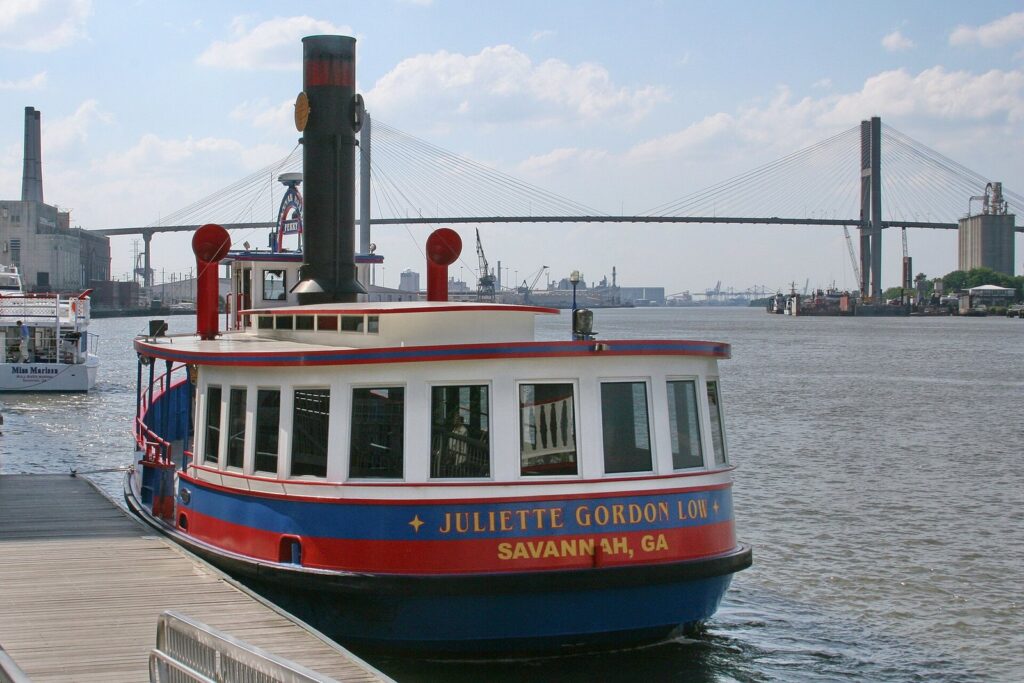
| Savannah Belles Ferry | Free | City Hall, the Waving Girl landing and Hutchinson Island; daily 7am to 10pm | Crossing the river; the skyline view |
| CAT local buses | $1.50 a ride; $3 day pass | 17 routes from the Joe Murray Rivers Jr. Intermodal Transit Center | Budget trips along main roads |
| Rideshare (Uber, Lyft) | Varies with demand | Citywide, including the airport | Bonaventure, Wormsloe, late nights |
| Taxis | Metered | Citywide, including the airport | Airport runs and fixed pickups |
| Hop-on, hop-off trolley | About $36.55 to $39.91 a day online | 16 stops around the district | Sightseeing with built-in transport |
| Pedicabs | Set by the operator; agree before you ride | The Historic District | Short hops with a story |
Walking
Walking is the main event in Savannah, not a fallback. The Historic District is flat and laid out on a grid of squares, so every few blocks you get shade and a bench. The river to Forsyth Park is about a mile, 20 to 25 minutes without stops, and nearly everything a first-time visitor wants is inside that rectangle. The catches are summer heat, from June to September, and uneven brick sidewalks and cobblestones, so wear good shoes and plan midday indoors.
The free DOT Express Shuttle
Chatham Area Transit runs the DOT Express Shuttle free of charge on two loops, Forsyth and Downtown, with 18 stops. Buses come about every 10 minutes from 7am to 7pm on weekdays, 10am to 6pm at weekends and 10am to 6:30pm on holidays, and there’s no service on Thanksgiving, Christmas or New Year’s Day. The shuttle is ADA compliant. Visit Savannah’s own getting-around page lists longer hours, but CAT runs the service, so trust CAT’s schedule. Note the late weekend start: on a Saturday or Sunday, your morning is on foot.
The Savannah Belles Ferry
CAT’s free ferry crosses the river daily from 7am to 10pm, with landings at City Hall on the Riverwalk, at the Waving Girl in Morrell Park and at the Westin and Convention Center on Hutchinson Island. The posted schedule shows departures from City Hall every 20 to 30 minutes, and the Waving Girl landing is served only from about 8:20am to 6:20pm. Bikes, luggage and leashed dogs ride along, and the boats are ADA accessible. For Hutchinson Island hotels, it’s the commute; for everyone else, it’s the best free view in town. Our River Street visitor guide covers the riverfront.
CAT local buses
Chatham Area Transit runs 17 routes from the Joe Murray Rivers Jr. Intermodal Transit Center downtown. A ride costs $1.50 in cash, and a day pass for unlimited rides is $3. All CAT buses kneel and have ramps. The buses are built for residents’ commutes rather than sightseeing, with service spaced out and schedules that change, so they’re best for budget travelers who check the current timetable first. Route 3 links the airport and the transit center for $1.50, roughly hourly, in about 36 minutes.
Rideshares and taxis
Uber and Lyft operate across Savannah, and at the airport they pick up at the north entrance of baggage claim. Taxis are metered, and the City sets maximum rates: $6.47 for the first mile, $2.69 for each additional mile and $1 for each extra passenger. For a downtown stay with one or two trips out of the district, rideshares are usually the cheapest way to fill the gaps a car would otherwise cover.
Pedicabs and trolleys
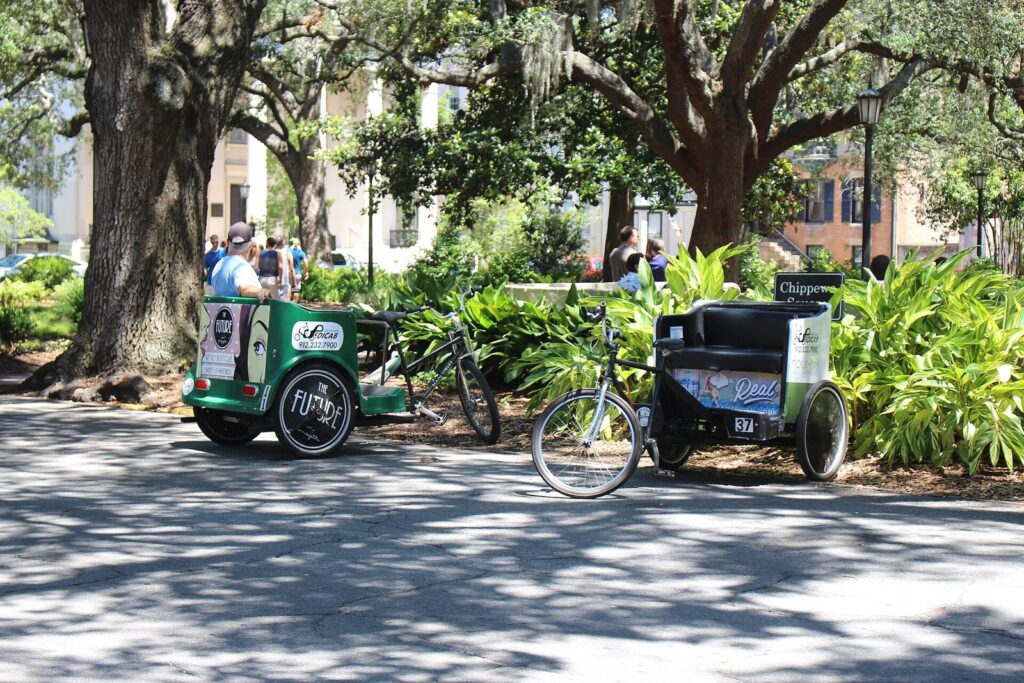
Pedicabs, bicycle-powered cabs, work the Historic District and are handy for short hops on a hot day. Agree on the price before you set off. Hop-on, hop-off trolleys also double as transport: Old Town Trolley Tours sells one-day tickets for about $36.55 to $39.91 online, covering 16 stops. Our guide to Savannah tours compared by interest and budget lays out the trolley options.
Bikes
The district is flat and compact, which makes cycling tempting, but plan around one rule: riding through the squares themselves isn’t allowed, so ride around them. Bike rental shops such as Savannah On Wheels rent bikes and e-bikes, and guided options like Savannah Bike Tours’ two-hour, roughly 3-mile Pedal Through History ride, at $49 for adults, take care of the route.
Late nights and early mornings
The free services keep business hours. The DOT shuttle starts at 7am on weekdays but not until 10am at weekends, and it stops at 7pm on weekdays and 6pm at weekends; the ferry runs until 10pm. CAT buses are spaced out in the evening. After those times, car-free visitors rely on walking, rideshares and taxis. For an early flight, book a taxi or schedule a rideshare the night before rather than hoping for a quick pickup at 5am.
What a Car Costs You in Savannah
The rental is only part of the bill. Once you’re here, the car needs somewhere to sleep every night and somewhere to wait at every stop.
| Cost | Price | Notes |
|---|---|---|
| City garages: Bryan Street, Robinson, State Street | $2 an hour; $20 weekday maximum; $5 flat at weekends | Open 24 hours, cards only |
| City garages: Whitaker Street, Eastern Wharf | $2 an hour; $24 weekday maximum; $10 at weekends | Whitaker is under Ellis Square |
| City garage: Liberty Street | $1 an hour; $14 maximum | The cheapest City garage |
| Visitor Day Pass for street parking | $15 for 24 hours; $24 for 48 hours | Meters only; not garages or street-sweeping zones |
| Hotel parking | Set by each hotel | Often valet only; compare it with the garage caps |
| Tybee Island parking | $4 an hour, 8am to 8pm daily; $25 a day | No cash; app or kiosk |
| Skidaway Island State Park | $10 per vehicle per day | Since January 1, 2026 |
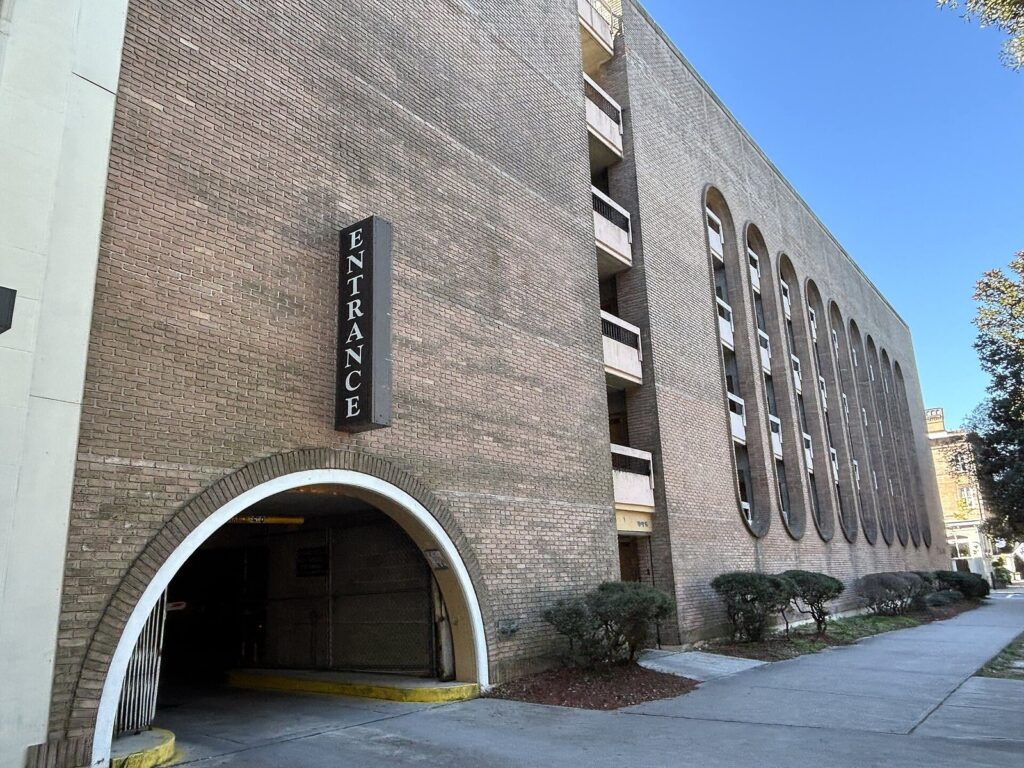
Put together, a car parked downtown for a three-night stay can easily cost $60 to $70 in garage charges on weekdays before you’ve driven anywhere, more if your hotel charges valet rates, and the bill climbs on any day you also pay to park at the beach. That’s the number to weigh against a handful of rideshares. The Visitor Day Pass, bought at the Mobility and Parking Services office in the Bryan Street Garage with your plate number, is the cheapest option if you can find street parking near your hotel; the MLK visitor center no longer sells it.
Parking costs, scenario by scenario
Rental rates and rideshare fares change daily, so here’s the part of the bill that doesn’t: what parking adds for a three-night weekday stay downtown with two trips out of town.
| Scenario | Parking you’ll pay |
|---|---|
| Rental for the whole stay, parked in a City garage | $60 to $72 for three weekdays, plus $25 for a Tybee day pass and $10 at Skidaway Island State Park |
| Rental for the whole stay, hotel valet | Whatever your hotel charges each night, plus the same beach and park fees |
| Car-free downtown, rideshares for the two trips | Nothing |
| Car-free downtown, one rental day for Tybee and Fort Pulaski | $25 for Tybee parking, or $4 an hour for a shorter stay |
The pattern is clear: the whole-stay rental pays for parking every night whether you drive or not. Unless you’re staying outside downtown, renting only for the days you leave the city is usually the better deal.
Places That Are Hard to Reach Without a Car
| Place | From downtown | Car-free option |
|---|---|---|
| Bonaventure Cemetery | About 3 miles east | An easy, short rideshare |
| Wormsloe State Historic Site | About 20 minutes by car | Rideshare; you’ll wait for a pickup at the gate |
| Oatland Island Wildlife Center | About 5 miles east | Rideshare; CAT has served it by bus |
| Fort Pulaski National Monument | About 15 miles east on US 80 | Rideshare or a tour; no regular bus |
| Tybee Island | About 17.5 to 18 miles east, 20 to 30 minutes | Rideshare or private shuttle; no public bus |
| Skidaway Island State Park and Pin Point | South of the city | Rideshare; a car makes more sense |
| Savannah National Wildlife Refuge | Across the river in South Carolina | None practical; its 4.5-mile wildlife drive is made for cars |
| Beaufort, Hilton Head, Jekyll Island | 45 minutes to two hours | Rent a car for the day |
Two of these stand out. Tybee is the one most visitors want, and the one where going without a car hurts most: US 80 is the only road on and off the island, no public bus runs there, and you’ll be paying a rideshare each way or arranging a private shuttle. The Savannah National Wildlife Refuge is the other: its Laurel Hill Wildlife Drive is a 4.5-mile loop, open daily from sunrise to sunset and free, where visitors stay in their cars. For more ideas beyond the city, see our day trips from Savannah.
Rideshare or Rental? A Simple Rule
Count the trips you’ll make outside the Historic District. If it’s one or two, such as a morning at Bonaventure and a sunset dinner across town, rideshares will almost always cost less than a rental plus parking. If it’s three or more, or any of them is Tybee, Fort Pulaski or a day trip, rent a car for those days only. Rental counters for nine companies are in the airport’s baggage claim, so you can pick a car up on the day you need it rather than paying to park it for the whole trip.
The decision also depends on where you sleep. A downtown hotel makes car-free travel easy; a Southside or airport hotel makes a car close to essential. Our guide to the best area to stay in Savannah for first-time visitors weighs location against cost, including parking.
Arriving by Plane, Train or Bus
By plane. The Savannah/Hilton Head International Airport says the Historic District is about 10 miles and 20 minutes from the terminal. Rideshares pick up at the north entrance of baggage claim, taxis are metered, nine rental-car companies have counters in baggage claim, and CAT’s Route 3 bus runs to the downtown transit center for $1.50. The airport’s visitor center opens daily from 8:30am to midnight.

By train. Savannah’s Amtrak station is at 2611 Seaboard Coastline Drive on the city’s west side, served by the Silver Meteor, the Palmetto and the Floridian. The ticket office opens daily from midnight to 8am and from 3:30pm to 11:59pm, and the station has an enclosed waiting area, parking and an accessible platform, but no Wi-Fi. The station isn’t within walking distance of the Historic District, so plan on a taxi or rideshare for the last few miles.
By bus. Greyhound also serves Savannah. As with the train, a short taxi or rideshare finishes the trip to your hotel.
Getting Around Without a Car If Mobility Is Limited
Going car-free with limited mobility is possible, with planning. The DOT Express Shuttle is ADA compliant, all CAT buses kneel and have ramps, and the Belles Ferry is accessible. CAT also runs ADA paratransit, CAT Mobility, and says it accepts visitors who bring documentation of ADA eligibility from their home provider; out-of-town riders call (912) 233-5767, and rides are booked one to seven days ahead. Old Town Trolley Tours has wheelchair lifts on many trolleys with 24 hours’ notice. Visit Savannah also lists Freedom Mobility Center for wheelchair and scooter needs. Our accessible Savannah travel guide covers the details.
Getting Around With Kids
Families can manage downtown without a car, and the free options are part of the fun: children tend to love the Belles Ferry, and the DOT shuttle takes a folded stroller and tired legs. The flat grid makes stroller walking easy, apart from River Street’s cobblestones and steep ramps, where the public elevators are the answer. The main snag is car seats. If you’re planning rideshares or taxis with young children, bring your own seats or confirm the service can provide one before you rely on it, which is one reason some families with toddlers rent a car after all.
Heat, Rain and Getting Around
From June to September, Savannah’s heat and humidity change the math. A 20-minute walk at 2pm in July is a slog, and summer thunderstorms can arrive fast in the afternoon. Car-free visitors cope by walking in the morning and evening, riding the free shuttle in the middle of the day and keeping a rideshare app ready for downpours. In spring and fall, walking is the pleasure it should be, and you’ll barely think about transport at all.
If You Do Bring a Car
- Park once. Put the car in a City garage or your hotel’s lot and leave it there while you’re downtown. Driving between sights in the Historic District is slower than walking.
- Use the garages’ daily caps. At $14 to $24 on weekdays and $5 to $10 at weekends, they’re the cheapest secure option for most stays.
- Read the curb. Street-sweeping zones and event restrictions catch visitors out, and the Visitor Day Pass doesn’t cover sweeping zones.
- Watch event weekends. Around St. Patrick’s Day, the City closes off the City Market and River Street areas, garages charge about $25 flat, and in 2026 towing from no-parking zones began at midnight before the parade.
- Keep the car clean. Don’t leave bags or valuables in view, wherever you park.
Events That Change the Answer
A few dates make a car more trouble than usual. Around St. Patrick’s Day, the City closes off the City Market and River Street areas, garages charge a flat rate of about $25, and towing from no-parking zones starts early, so it’s the best weekend of the year to leave the car behind. Holiday events on the riverfront, such as the Lighted Christmas Street Parade, set for December 12 in 2026, bring their own street closures. Savannah Bananas games at Historic Grayson Stadium, outside the Historic District, and big festivals in Forsyth Park also fill the streets with traffic. On those days, walk, ride the shuttle or book a rideshare, and leave plenty of time.
Two Sample Plans
Three days, no car. Arrive by rideshare or taxi from the airport. Walk the Historic District and use the DOT shuttle for two days, ride the ferry at sunset, and take one rideshare morning to Bonaventure and Wormsloe. Total transport: a few rideshares and nothing for parking.
Four days, one rental day. Go car-free for three days downtown, then pick up a rental for day four: Fort Pulaski in the morning, Tybee in the afternoon, back at the counter by evening. You pay for one day of car and one day of beach parking, not four nights in a garage. Our two-day Savannah itinerary shows how the car-free days fit together.
Do You Need a Car in Savannah? FAQ
Can you get around Savannah without a car?
Yes, if you stay in or near the Historic District. It’s flat and about a mile from the river to Forsyth Park, the DOT Express Shuttle and Belles Ferry are free, and Uber, Lyft and taxis cover trips farther out. A car becomes useful for Tybee Island, Fort Pulaski, the wildlife refuge and day trips, or if your hotel is outside downtown.
Is the DOT shuttle in Savannah free?
Yes. Chatham Area Transit’s DOT Express Shuttle is fare-free, with two loops and 18 stops around the Historic District, running about every 10 minutes from 7am to 7pm on weekdays and 10am to 6pm at weekends. It’s ADA compliant, and it doesn’t run on Thanksgiving, Christmas or New Year’s Day.
Can you get to Tybee Island without a car?
Yes, but there’s no public bus. Tybee is about 18 miles east of downtown, roughly 20 to 30 minutes by car on US 80, so car-free visitors use a rideshare or a private shuttle each way. If you’re planning more than one Tybee day, a rental usually works out better; just budget for island parking at $4 an hour or $25 a day.
How much does parking cost in Savannah?
City garages charge $1 to $2 an hour, with weekday maximums of $14 to $24 and weekend flat rates of $5 to $10. The Visitor Day Pass covers street meters for $15 for 24 hours or $24 for 48 hours. Hotels set their own parking charges, often for valet, so compare before you book.
Do I need a rental car from the Savannah airport?
Not for a downtown stay. The airport is about 20 minutes from the Historic District, and rideshares, metered taxis and CAT’s $1.50 Route 3 bus all make the trip. Nine rental companies have counters in baggage claim if you do want a car, and you can always rent for just the days you leave town.
Is Uber available in Savannah?
Yes. Uber and Lyft both operate in Savannah, including at the airport, where they pick up at the north entrance of baggage claim. They’re the most common way car-free visitors reach Bonaventure Cemetery, Wormsloe and Tybee Island. Prices rise with demand, so expect higher fares on event weekends and around St. Patrick’s Day.
Can you walk from River Street to Forsyth Park?
Yes. It’s about a mile straight down Bull Street, 20 to 25 minutes without stops, and it’s one of the best walks in the city, passing through five squares on the way. If it’s hot or your legs are done, the free DOT Express Shuttle’s Forsyth loop covers the same ground, about every 10 minutes during the day.
Related Savannah Guides
- Getting Around Savannah and Parking: every option, from garages to the ferry
- Best Area to Stay in Savannah for First-Time Visitors: the base that makes car-free travel easy
- Tybee Island and Savannah Beaches: the trip where a car helps most
- Day Trips From Savannah: the reasons to rent for a day
- Accessible and Inclusive Savannah: getting around with limited mobility
Sources and How We Checked
Fares, schedules, parking rates and station details were checked on October 1, 2026. This guide is compiled from the City of Savannah, Chatham Area Transit, the Savannah/Hilton Head International Airport, Amtrak, Visit Savannah, Visit Tybee and the operators listed, not from other travel guides, and we don’t claim first-hand trips. Transit schedules change, so check before you travel.
- Chatham Area Transit: DOT Express Shuttle; Savannah Belles Ferry; fares and passes; current schedules; accessibility; paratransit
- City of Savannah: parking garages; visitor parking and the Visitor Day Pass
- Savannah/Hilton Head International Airport: ground transportation; surrounding area
- Amtrak: Savannah station (SAV)
- Visit Savannah: getting around; visitor information centers; accessibility
- Tybee Island: Visit Tybee, getting here; City of Tybee Island parking
- Parks: Skidaway Island State Park; Savannah National Wildlife Refuge; Fort Pulaski; Oatland Island Wildlife Center
- Operators: Old Town Trolley Tours; Savannah On Wheels; Savannah Bike Tours
- News: WTOC on St. Patrick’s Day parking and closures
Savannah Tourism Guide is an independent publication. We are not affiliated with Visit Savannah, the City of Savannah or any company or attraction listed here, and no one paid to be included.
Photo Credits
- Savannah Belles Ferry, 2010: photo by Cliff from Arlington, Virginia, USA, Wikimedia Commons (CC BY 2.0)
- Pedicabs, Chippewa Square: photo by Michael Rivera, Wikimedia Commons (CC BY-SA 4.0)
- Parking garage, Liberty and Whitaker streets: photo by Myotus, Wikimedia Commons (CC BY 4.0)
- Mural, Savannah Amtrak station: photo by Analyticalhunter321, Wikimedia Commons (CC BY-SA 4.0)