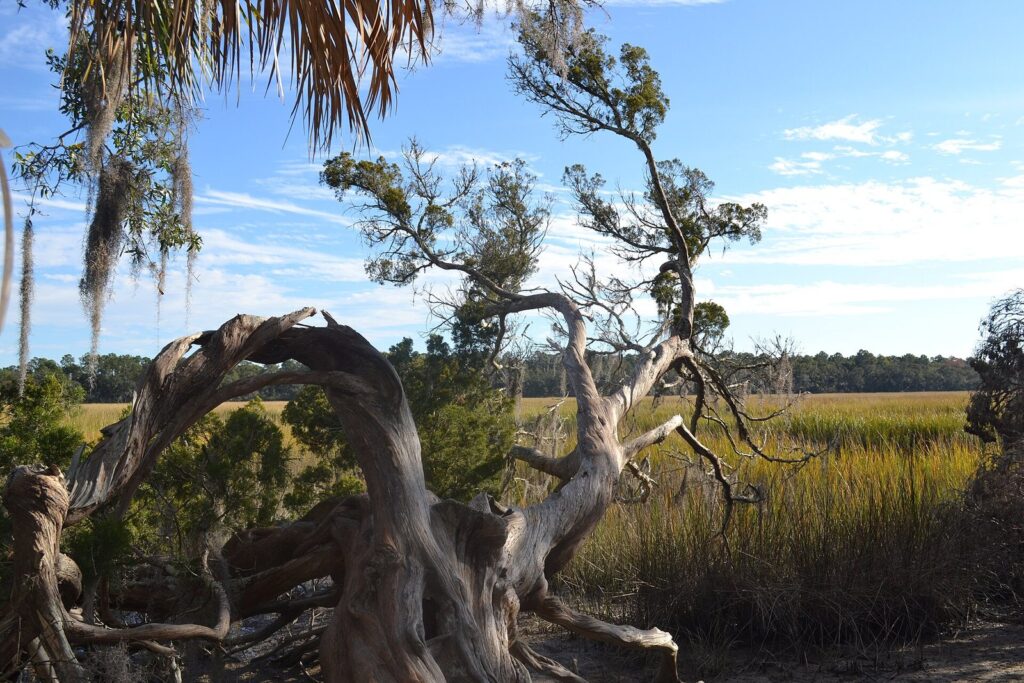
The best outdoor things to do near Savannah happen on the water and the marsh: paddling a tidal creek, riding out to watch dolphins off Tybee, walking the trails at Skidaway Island State Park, and driving the free wildlife loop at the Savannah National Wildlife Refuge, where alligators and wading birds are the usual crowd. Add the oak avenue at Wormsloe, the McQueen’s Island rail-trail, a beach day on Tybee and an afternoon in the Coastal Georgia Botanical Gardens, and you have a week of outdoor days, nearly all within 30 minutes of downtown. Most cost little: the refuge is free, Skidaway charges $10 per car, and the botanical gardens charge $8 for adults.
This guide is for anyone who wants to see the Lowcountry’s other side, from families and birders to paddlers and people who simply want a walk under the trees. The caveat that matters here is that the coast runs on tides, heat and bugs, and conditions change: at Skidaway, for example, the Avian Loop trail and the observation tower are closed for now. Each section below says where to check current conditions. Everything was checked September 23, 2026 against official sources.
Outdoor Savannah at a Glance
| Place | What to do | From downtown | Cost | Good to know |
|---|---|---|---|---|
| Savannah National Wildlife Refuge (SC) | A 4.5-mile wildlife drive; birds and alligators | About 20 minutes | Free | Sunrise to sunset; stay in or by your car on the drive |
| Skidaway Island State Park | Trails through maritime forest to marsh views | About 30 minutes | $10 per vehicle | Avian Loop and observation tower closed |
| Wormsloe State Historic Site | The 1.5-mile oak avenue, colonial ruins, nature trails | 15-20 minutes | State historic site admission | Free narrated trolley every 30 minutes |
| Tybee Island | Beach, kayaking, dolphin tours, fishing | About 30 minutes | Parking $4/hour or $25/day | Lifeguards May 1-October 31 |
| McQueen’s Island Trail | Walking and cycling on an old rail line through the marsh | About 20 minutes | Free | Fully reopened in 2023 |
| Fort Pulaski National Monument | Fort, trails and a lighthouse overlook | About 25 minutes | $10 (ages 16+) | Pets on a 6-foot leash |
| Oatland Island Wildlife Center | A 2-mile trail past animal habitats | About 15 minutes | $7 adults, $5 ages 4-17 | No pets; last entry 3:30pm |
| Coastal Georgia Botanical Gardens | 50-plus acres of gardens, bamboo and camellias | About 20 minutes | $8 adults, $6 ages 3-16 | No pets |
| Forsyth Park | Walking, running and the new Shade Garden | Downtown | Free | The Saturday farmers’ market is good for picnic supplies |
For the beach itself, in detail, see our Tybee Island travel guide.
Before You Go: Tides, Heat, Bugs and Closures
The Georgia coast is gentle to look at and easy to underestimate. Five things shape every outdoor day here.
Tides
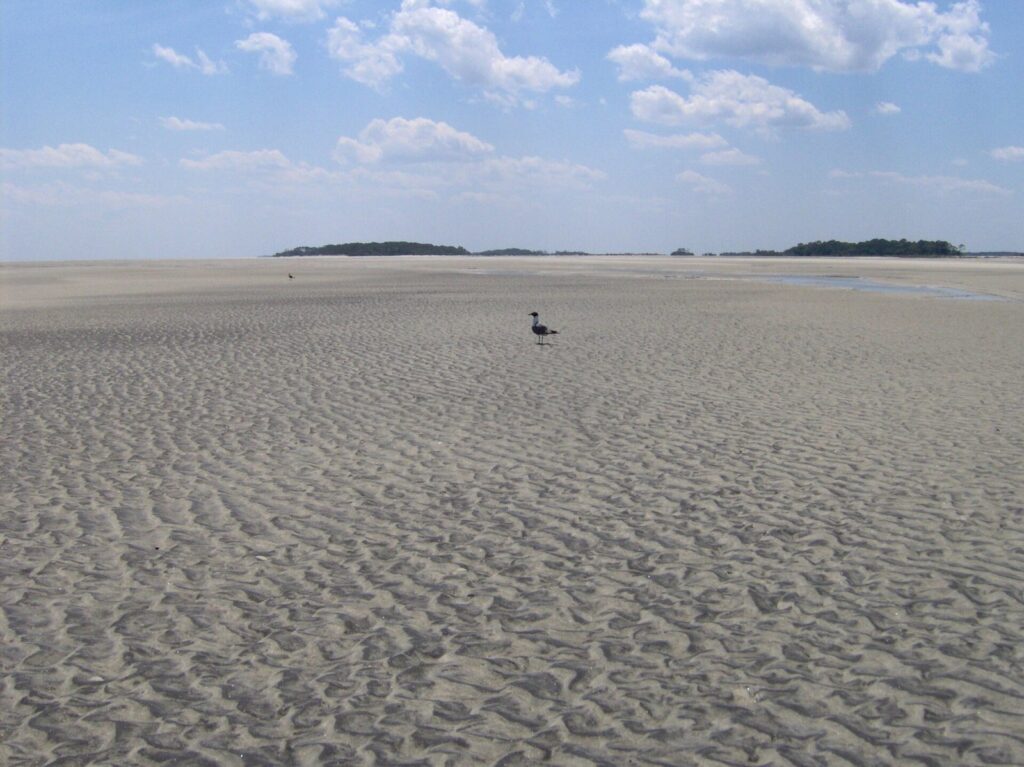
Tides on this stretch of coast rise and fall about 7 feet, and more during spring tides, which is large by East Coast standards. A creek you paddle up at high tide can be a mudflat three hours later, and a sandbar you walk out to can be cut off by the incoming water. Paddle with the tide when you can, not against it, and plan beach walks around low tide. Stay off the marsh mud, known locally as pluff mud, which can swallow a leg to the knee. NOAA publishes official tide predictions for its Fort Pulaski station, number 8670870, the nearest to Tybee.
Heat and Storms
Savannah’s average July high is 92.3°F, and humidity makes it feel hotter. From June through September, start outdoor activities early, carry more water than you think you need, and aim to be off the water and trails by early afternoon, when thunderstorms often build. Lightning over open water and marsh is a real danger: head for shore at the first thunder. The City takes heat seriously too; horse-drawn carriage tours must stop when it reaches 85°F or a 100°F heat index, a fair guide to when you should ease off as well. Hurricane season runs June 1 to November 30, and Chatham County’s emergency agency, CEMA, runs alerts that visitors can sign up for.
Bugs
Mosquitoes and tiny biting sand gnats, which locals also call no-see-ums, are part of life near the marsh, especially at dawn, at dusk and on still days. Wear repellent, and long sleeves in the evening. A breeze keeps them down, which is one more reason the beach feels better than the woods on a still summer afternoon.
Wildlife Rules
Keep your distance from alligators at the refuge and anywhere near fresh water, and never feed them. Feeding or harassing wild dolphins is against federal law, and NOAA’s guidance is to stay at least 50 yards away. On Tybee, stay off the dunes, and follow the posted rules during sea turtle nesting season.
Pets, Closures and Getting Back
Pet rules vary: dogs aren’t allowed on Tybee’s beaches or crossovers, at Oatland Island or at the botanical gardens, and at the refuge they must stay in the car. Fort Pulaski allows pets on a 6-foot leash. Trails close for storm damage and repairs, too, so check before you drive out. And think about the ride home: rideshares can be slow to reach remote trailheads like Skidaway, the refuge or McQueen’s Island, and there’s no public bus to Tybee. Drive, or arrange your pickup in advance.
| Where | Check current conditions at |
|---|---|
| Skidaway Island State Park and Wormsloe | Georgia State Parks, each park’s own page |
| Savannah National Wildlife Refuge | U.S. Fish and Wildlife Service refuge page |
| Fort Pulaski National Monument | National Park Service alerts and basic information |
| McQueen’s Island Trail | Chatham County Parks |
| Tybee beaches and parking | City of Tybee Island and Visit Tybee |
| Tides | NOAA Tides and Currents, station 8670870 (Fort Pulaski) |
| Storms and evacuations | Chatham Emergency Management Agency (CEMA) |
On the Water: Kayaking, Boat Tours and Fishing
Beach Days on Tybee
Tybee, 18 miles and about 30 minutes from downtown, is Savannah’s beach, and each stretch has its own personality. North Beach, near the lighthouse, is quieter; South Beach, by the pier, is the busiest, with the most restaurants and restrooms; Mid Beach has shallow water and smaller crowds but no dedicated lifeguards; and Back River, on the southwest side, has calm water and the best sunsets. Lifeguards cover the beaches daily from 10am to 5:30pm, May 1 to October 31.
Plan it: Parking is $4 an hour from 8am to 8pm every day, or $25 for a day pass, paid by app or kiosk. No glass on the beach ($300 fine), no dogs, no smoking or vaping, and stay off the dunes. The City lends free fat-tire beach wheelchairs, first come, first served.
Kayaking and Paddleboarding
Paddling is the best way to understand this coast, because the marsh creeks go where no road does. The calmest water for beginners is on Tybee’s Back River, on the island’s southwest side, which is popular for kayaking and paddleboarding. Guided trips are the smart choice for a first time, since the guides know the tides. Captain Mike’s Dolphin Tours, based on Old Highway 80 on Tybee, runs kayak tours from its marina, and Sundial Charters runs nature trips that include Little Tybee Island, a 6,500-acre natural heritage preserve south of Tybee that can be reached only by boat.
Plan it: Book guided trips ahead in summer and on weekends, and ask how the day’s tides affect the route. Bring sun protection, water and something to keep your phone dry. Operators set their own prices and don’t all publish them, so confirm the cost when you book. If you bring your own boat, public ramps around Chatham County and on Tybee serve paddlers too, but launch with a tide chart in hand and tell someone your route.
Dolphin Tours and Sunset Cruises
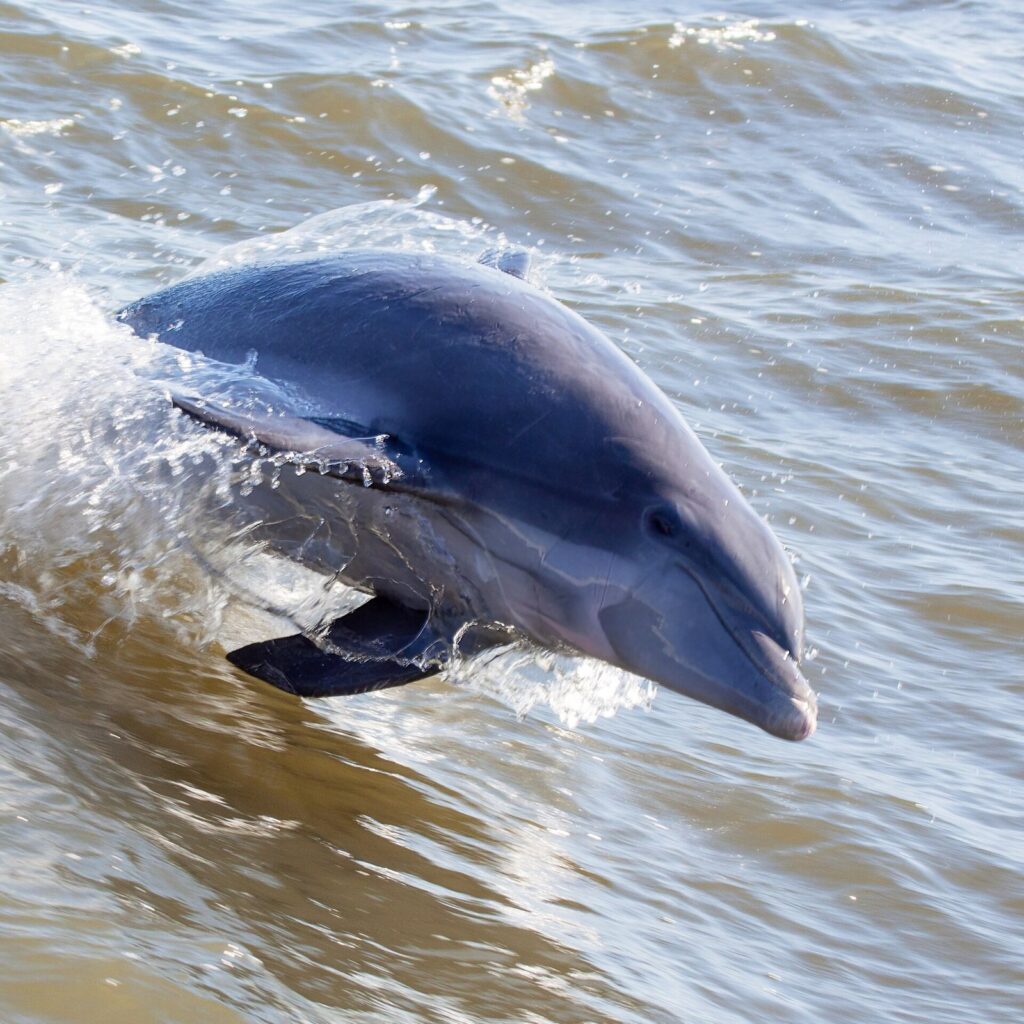
Atlantic bottlenose dolphins live in the rivers and sounds around Tybee, and boat tours see them often. Captain Mike’s runs narrated dolphin tours of an hour to an hour and a half, passing the Cockspur Island Lighthouse, Fort Pulaski and the Tybee Lighthouse, plus sunset cruises. Sundial Charters, running since 1996, offers dolphin watching along with crabbing, cast netting and fossil hunting, and its Little Tybee trip lands you on an undeveloped island.
Closer to town, Savannah Riverboat Cruises runs a 90-minute narrated harbor cruise ($37.95 adults, $24.95 ages 5-12, under 5 free), and the free Savannah Belles Ferry makes a short, cheap river trip at any time of day. Neither is a wildlife tour, but both put you on the water beside the container ships. Our guide to the best Savannah tours compares the river options.
Choose responsibly: pick operators who keep their distance from dolphins and never feed them. A good captain will slow down and let the animals come and go.
Safety on the Water
- Wear the life jacket. Every boat needs one wearable life jacket per person, and in Georgia children under 13 must wear one while a boat is moving.
- Stay out of the shipping channel. The Savannah River carries some of the largest container ships in the world, and their wakes and blind spots are no place for a kayak.
- Mind the oyster beds. They’re sharp enough to slice a hull or a foot, and they appear as the tide drops.
- Check the forecast and the tide, and tell someone where you’re going and when you’ll be back.
Fishing
Fishing here ranges from casting off the Tybee pier to inshore charters in the creeks and sounds. Before you drop a line, know the rules: anglers 16 and older, including visitors from out of state, need a Georgia fishing license for both fresh and salt water, and saltwater fishing also requires the free Saltwater Information Program (SIP) permit, which you renew every year. Both are available from the Georgia Department of Natural Resources. Charter operators such as Sundial run guided fishing trips; ask whether licenses are covered. Inshore anglers here usually target redfish, spotted seatrout and flounder in the creeks and sounds, and crabbing from a dock with a line and a chicken neck is a classic Lowcountry afternoon, especially with kids.
Parks, Trails and Bike Rides
Skidaway Island State Park
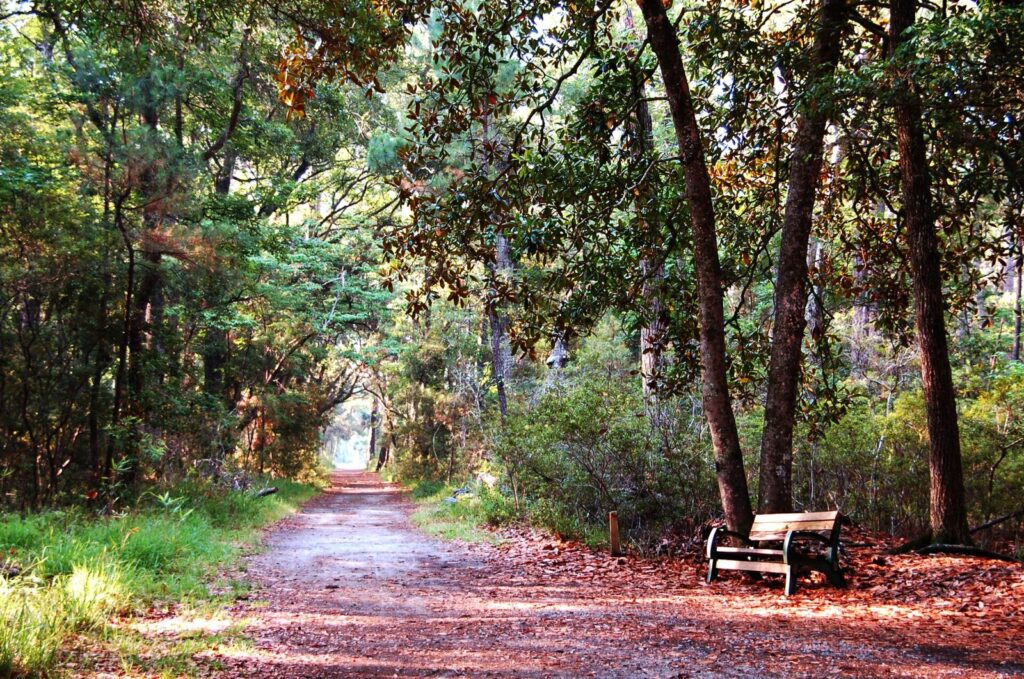
Skidaway, about 30 minutes southeast of downtown, is the closest real woods-and-marsh hiking to the city. Its trails wind through maritime forest of live oak, pine and palmetto to boardwalks and views over the salt marsh, and birds are everywhere. For now, the Avian Loop trail is closed because of bridge damage, the observation tower is closed too, and part of the campground is under renovation through about early 2027. The Big Ferry Trail and the 1-mile Sandpiper Trail, with its boardwalks, remain open, though construction may limit parts of the Big Ferry Trail.
Plan it: $10 parking per vehicle per day (an annual pass is $70). Trails close at dark. Check the park’s page for trail status before you go, and bring bug spray.
Wormsloe State Historic Site
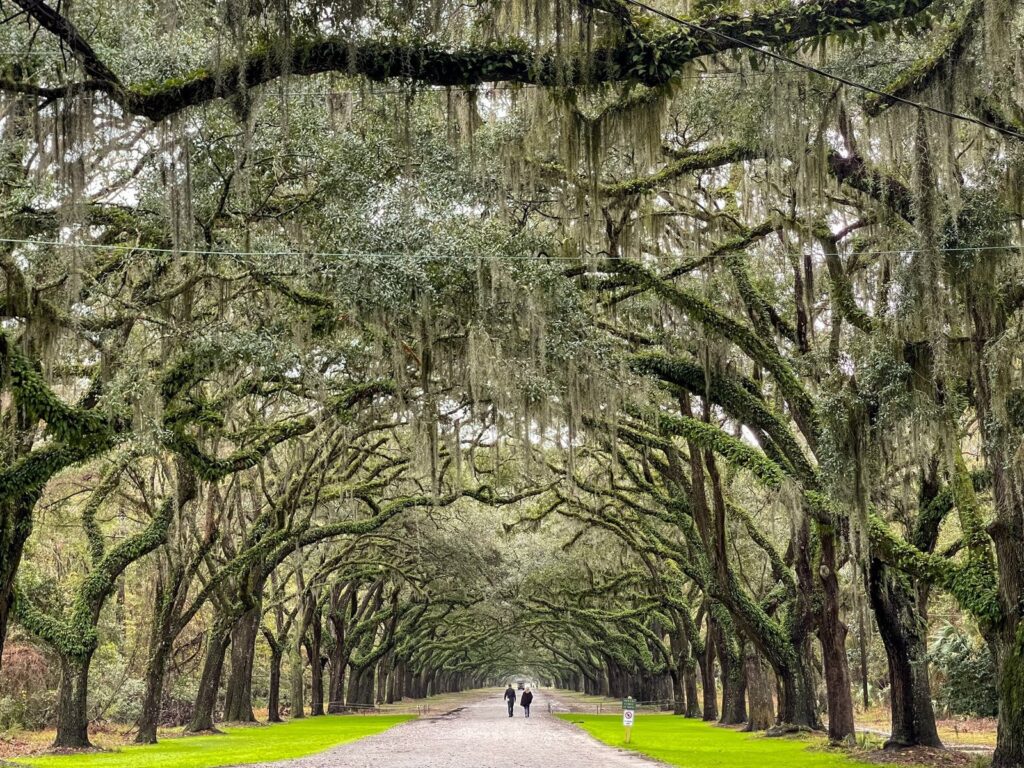
Wormsloe’s avenue of live oaks, 1.5 miles long, is a Georgia postcard classic, and since a new visitor center opened in January 2024, cars no longer drive it. Instead you walk, bike or ride the free narrated open-air trolley that leaves the visitor center every 30 minutes. At the end are the tabby ruins of the fortified house of Noble Jones, one of the colony’s first settlers, who began the estate in the 1730s, along with an interpretive trail and several miles of nature trails through the forest and along the marsh.
Plan it: About 15-20 minutes from downtown. The site charges admission; check Georgia State Parks for current prices and hours. Allow two hours, more if you walk the avenue both ways.
Savannah National Wildlife Refuge
Just across the river in South Carolina, the refuge protects old rice fields and freshwater wetlands that draw wading birds, ducks in winter and a healthy population of alligators. The 4.5-mile Laurel Hill Wildlife Drive follows the old dikes, so you can see a great deal without leaving the car. It’s free and open daily from sunrise to sunset. Cars must stay on the drive, and pets must stay in the car. Early morning and late afternoon are best for wildlife. The dikes and canals you drive along are themselves history: they were built for rice cultivation by enslaved people, and the refuge preserves the landscape their labor shaped.
Plan it: About 20 minutes from downtown. Free. The visitor center, at 694 Beech Hill Lane in Hardeeville, is open weekdays 10am-2pm. Bring binoculars and fill up on water before you go.
McQueen’s Island Trail
Built on the bed of the old Savannah & Atlantic Railroad, the McQueen’s Island Trail runs for about 5 to 6 miles along the Savannah River’s south channel, near Fort Pulaski, with marsh on both sides. Storms in 2016 and 2017 closed it, but the full trail reopened in May 2023 after its bed and bridges were repaired. It’s flat, sunny and good for walking or an easy bike ride on the way to Tybee.
Plan it: Free. There’s little shade, so go early in summer and carry water. Chatham County Parks manages the trail and posts any closures.
Fort Pulaski’s Trails
Beyond the fort itself, Fort Pulaski National Monument has trails through the marsh and woods on Cockspur Island. The Lighthouse Overlook Trail, about 1.5 to 1.7 miles round trip, leads to a view of the small Cockspur Island Lighthouse, which has been closed to the public since 2015. Back at the fort, the brick walls still show the scars of the 1862 bombardment. Entrance is $10 per person aged 16 and up, valid for seven days, and card only.
Wassaw National Wildlife Refuge
South of Tybee, Wassaw Island is a barrier island refuge with no bridge, reached only by boat, with undeveloped beaches, maritime forest and some of the wildest shoreline near the city. It’s a day-use destination for boaters and guided trips, and a good reminder of what the whole coast looked like before the causeways. Check the U.S. Fish and Wildlife Service’s refuge information before planning a landing.
City Trails: Tide to Town and Lake Mayer
Savannah is building Tide to Town, a network of protected walking and cycling trails meant to connect every neighborhood to the marshes and waterways. The finished stretches run along the Truman Parkway on the Truman Linear Park Trail, and a new section opened in July 2026. The goal is a continuous trail of about 7 miles from the Police Memorial Trail to Lake Mayer Park, where a path circles the lake. It’s a local’s trail more than a visitor attraction, but it’s the best paved ride in the city.
Oatland Island Wildlife Center
Oatland Island, about 15 minutes east of downtown, pairs a 2-mile loop of natural trail and boardwalk with habitats for animals such as wolves. It’s run by the Savannah-Chatham County school system and makes an easy, shaded walk with a purpose. Open daily 10am-4:30pm, with no entry after 3:30pm; adults $7, ages 4-17 $5. No pets. Our guide to Savannah with kids covers it for families.
Birdwatching and Wildlife
The coast sits on a major migration route, and even casual visitors see a lot. The best places to look:
- Savannah National Wildlife Refuge: wading birds year-round, ducks in winter and alligators sunning on the dikes, all visible from the wildlife drive.
- Skidaway Island State Park: forest and marsh birds from the open trails and boardwalks.
- Tybee’s north and south ends: shorebirds on the flats at low tide, and pelicans over the surf.
- Little Tybee Island: a roadless island reached by boat, with beaches and marsh left to the birds.
- The rivers around Tybee: dolphins, most reliably seen from a boat.
Timing matters as much as place. Spring and fall bring migrating songbirds and shorebirds through on the Atlantic Flyway; winter fills the refuge’s impoundments with ducks; and summer is the season for wading birds and, in coastal thickets, the brilliantly colored painted bunting. Bring binoculars, go early, and give nesting birds and sea turtle nests a wide berth.
Gardens and Green Spaces
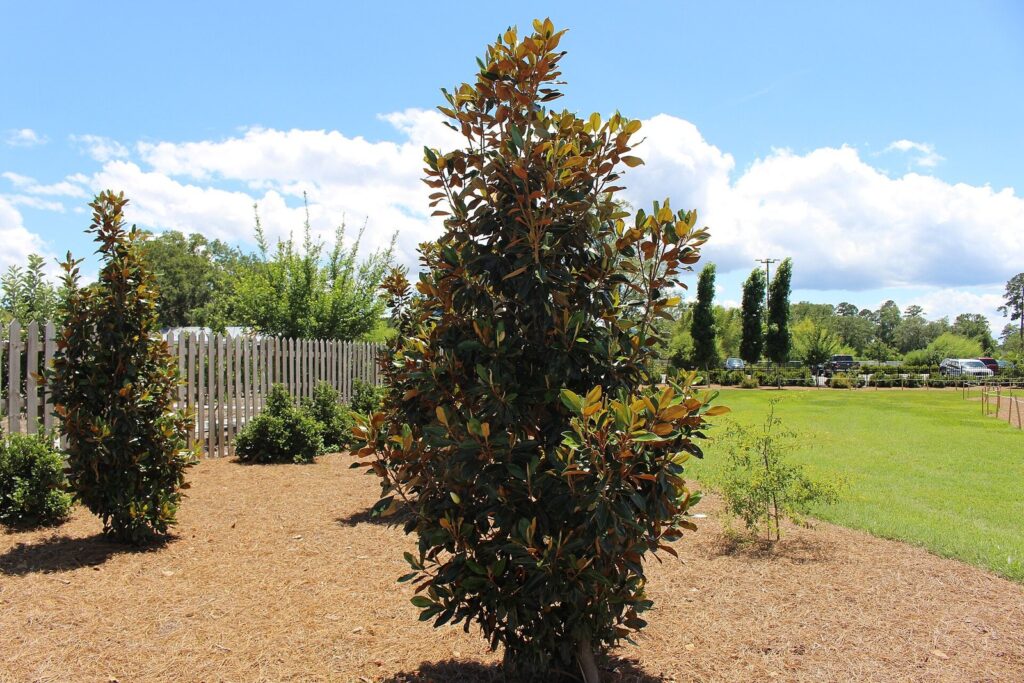
The Coastal Georgia Botanical Gardens, managed by the University of Georgia, cover more than 50 acres south of the city and draw over 100,000 visitors a year. The bamboo collection has more than 70 species, and 36 species of camellias bloom from October to March, which makes it a rare garden that’s at its best in winter. Eleven distinct areas range from a Native Plant Trail and a camellia trail to a crape myrtle allée and an orchid greenhouse.
Plan it: Adults 17 and up $8; ages 3-16, seniors 65 and up, students and military $6. No pets except service animals. Call (912) 921-5460 for hours.
Downtown, Forsyth Park, about 30 acres, is the city’s great lawn, and a new Shade Garden opened on its central west side in February 2026. The 1858 fountain has been running again since December 2025, after its first major restoration since 1988. For a quieter, more contemplative green space, Bonaventure Cemetery, about 3 miles east of downtown, is open daily 8am-5pm and free; its oak avenues and sculpture are as much a garden as a graveyard. Our guide to haunted Savannah and its cemeteries covers the visiting rules.
Picnic and Sunset Spots
The Lowcountry light is half the reason to be outside at either end of the day. For sunrise, Tybee’s Atlantic-facing beaches, North Beach in particular, catch the sun coming straight up out of the ocean. For sunset, look west over the marsh or the river. Pick up picnic supplies at the Forsyth Farmers’ Market on Saturday morning, or from any downtown deli, and bring a blanket.
- Forsyth Park: pick up food at the Saturday farmers’ market (9am-1pm, year-round) and claim a spot under the oaks.
- Back River Beach, Tybee: the island’s sunset beach, facing the calm water on the southwest side.
- Fort Pulaski: picnic spots by the water, with ships passing on the river.
- Morrell Park, at the east end of River Street: beside the Waving Girl statue, watching the ships come in.
- Wormsloe: the late-afternoon light down the oak avenue is worth timing a visit around.
Three Outdoor Day Plans
| Plan | Morning | Afternoon | Evening |
|---|---|---|---|
| Marsh and wildlife | Sunrise on the refuge’s wildlife drive (free), then breakfast downtown | Wormsloe’s oak avenue and nature trails; the botanical gardens if camellias are blooming | A picnic in Forsyth Park |
| Tybee by land and water | An early walk or ride on the McQueen’s Island Trail, then Fort Pulaski when it opens at 9am | A dolphin tour or guided kayak trip, then the beach | Sunset at Back River Beach |
| Island forest and heritage | Skidaway Island State Park’s open trails before the heat | The Pin Point Heritage Museum nearby (Thursday to Saturday, 9am-4pm), then Wormsloe | Dinner back in town |
Each plan keeps the hottest part of the day for shade, water or indoor time, which is how locals handle summer.
Accessible Outdoor Options
Several of Savannah’s outdoor places work well for visitors with limited mobility:
- The Savannah National Wildlife Refuge is seen from your car on the 4.5-mile wildlife drive.
- Wormsloe’s free trolley runs the length of the oak avenue, and the site lists an all-terrain track chair.
- Skidaway’s Sandpiper Trail, about a mile long, uses boardwalks and is designed to be accessible.
- Fort Pulaski’s casemates have ramps, though the upper level is reached only by steep stairs.
- Tybee Island lends free fat-tire beach wheelchairs, delivered anywhere on the island; call (912) 472-5089, with photo ID required.
Call ahead to confirm equipment is available on the day you plan to visit.
When the Weather Turns
Have a backup for stormy afternoons. The Tybee Island Marine Science Center (Wednesday to Monday, 9:30am-5pm; adults $15, ages 5-12 $12) brings the coast’s creatures indoors, and it’s only a few minutes from the beach. In town, the Savannah History Museum and the Railroad Museum’s indoor exhibits fill a wet afternoon, and most summer storms clear within an hour or two, leaving the evening fresh for a walk.
Outdoor Savannah on a Budget
Some of the best outdoor experiences here cost nothing: the refuge’s wildlife drive, the McQueen’s Island Trail, Forsyth Park, Bonaventure Cemetery, the Tide to Town trails and a ride on the Savannah Belles Ferry. The paid ones are modest. Skidaway charges $10 per car, whoever’s inside, Oatland Island charges $7 for adults, the botanical gardens $8, and Fort Pulaski $10 for adults, with children 15 and under free. The biggest outdoor expenses are guided boat and kayak trips, so if you’re choosing just one splurge, make it a dolphin tour or a guided paddle.
Outdoor Savannah by Traveler Type
| If you are | Start with |
|---|---|
| A birder | The refuge at dawn, then Skidaway’s trails |
| A paddler | A guided trip to Little Tybee, or Back River on your own |
| A cyclist | The McQueen’s Island Trail and the Truman Linear Park Trail |
| A family | Oatland Island, a Tybee beach day and a dolphin tour |
| A photographer | Wormsloe’s avenue in late light, marsh sunrises and Bonaventure’s oaks |
| A gardener | The Coastal Georgia Botanical Gardens, ideally October to March |
What to Pack
- Insect repellent and sunscreen, every day, in every season but deep winter.
- More water than you expect to drink, and a hat.
- Closed-toe water shoes for creeks and marsh edges, where oyster shells are sharp enough to cut.
- A dry bag or zip-top bag for your phone on the water.
- Binoculars for birds and dolphins.
- A light rain jacket for summer storms, and a warm layer for winter boat trips, which get cold on the water.
Outdoor Savannah by Season
| Season | Best for | Watch out for |
|---|---|---|
| Spring (March-May) | Birding, trails, paddling, the refuge | Pollen, and bugs as it warms |
| Summer (June-August) | Beach days, early-morning paddles, dolphin tours | Heat, afternoon lightning, hurricane season, bugs |
| Fall (September-November) | Everything; the best all-round season | The hurricane peak around September 10 |
| Winter (December-February) | Birding (ducks at the refuge), camellias, trail walking | Cool, windy days on the water; shorter daylight |
For the full seasonal picture, weather and crowds included, see our guide to the best time to visit Savannah.
Leave No Trace in the Lowcountry
The marsh and barrier islands that make this coast special are fragile. A few habits keep them that way:
- Stay off the dunes and out of the marsh grass; both hold the coast together. On Tybee, walking in or picking the dune plants can bring a fine.
- Never feed wildlife, from gulls to alligators to dolphins.
- Pack out everything you bring, including fishing line, which tangles birds and turtles.
- Give nesting birds and marked sea turtle nests plenty of room.
- Choose tour operators who keep their distance from animals.
- Leave oysters and clams where they are unless you’ve checked Georgia’s shellfish rules; harvesting is regulated and some waters are closed.
If you have a spare day for somewhere wilder, Cumberland Island, Sapelo Island and Hunting Island are covered in our guide to the best day trips from Savannah.
Outdoor Things to Do Near Savannah FAQ
What are the best outdoor things to do near Savannah?
Kayaking the marsh creeks, a dolphin tour from Tybee, the free wildlife drive at the Savannah National Wildlife Refuge, the trails at Skidaway Island State Park, walking Wormsloe’s oak avenue, a beach day on Tybee and the Coastal Georgia Botanical Gardens. Nearly all are within 30 minutes of downtown.
Where can you see alligators near Savannah?
The Savannah National Wildlife Refuge, about 20 minutes from downtown across the river in South Carolina, is the most reliable place. Its free 4.5-mile Laurel Hill Wildlife Drive runs past wetlands where alligators often bask. Stay on the drive, keep your distance and never feed them.
Where can you see dolphins near Savannah?
In the rivers and sounds around Tybee Island, most reliably from a boat. Operators such as Captain Mike’s Dolphin Tours and Sundial Charters run trips year-round. Choose captains who keep their distance; feeding or harassing wild dolphins is illegal, and NOAA advises staying 50 yards away.
Is Skidaway Island State Park open?
Yes, but not all of it. As of September 2026 the Avian Loop trail and the observation tower were closed, and part of the campground was under renovation. The Big Ferry and Sandpiper trails were open. Parking costs $10 per vehicle. Check Georgia State Parks for the latest trail status.
Do I need a fishing license in Savannah?
Yes, if you’re 16 or older, including visitors from out of state. Georgia requires a fishing license for fresh and salt water, and saltwater fishing also requires the free Saltwater Information Program (SIP) permit, renewed every year. Both are sold by the Georgia Department of Natural Resources.
Are there good hiking trails near Savannah?
Yes, though they’re flat. The best are Skidaway Island State Park’s Big Ferry and Sandpiper trails, Wormsloe’s nature trails, Fort Pulaski’s Lighthouse Overlook Trail (about 1.5 to 1.7 miles round trip), the 5- to 6-mile McQueen’s Island rail-trail and Oatland Island’s 2-mile loop. Start early in summer and carry water.
What’s the best time of year for outdoor activities in Savannah?
Fall and spring. October and November bring comfortable temperatures and fewer bugs; spring is excellent for birds and trails. Summer is for early mornings and the beach, with afternoon storms to plan around. Winter suits birders, camellia lovers and hikers.
Related Savannah Guides
- Tybee Island Travel Guide: beaches, tides, parking and rules.
- Day Trips From Savannah: Cumberland, Sapelo, Hunting Island and more.
- Best Time to Visit Savannah: seasons, weather and hurricane timing.
- Savannah With Kids: outdoor days that work for families.
- Best Savannah Tours: boat, trolley and walking tours compared.
Sources and How We Checked
Conditions, fees and rules were checked September 23, 2026. This guide is compiled from the park agencies, public authorities and operators listed below, not from other travel lists, and it doesn’t claim first-hand visits. Georgia State Parks pages refuse automated connections, so Skidaway’s trail status comes from the park’s published text as shown in search results; check before you go. Tour operators don’t all publish prices, so confirm when you book.
- Georgia State Parks: Skidaway Island State Park; Skidaway trails; Wormsloe State Historic Site; Georgia Wildlife Resources
- Georgia Department of Natural Resources: fishing license and SIP permit
- U.S. Fish and Wildlife Service: Savannah National Wildlife Refuge
- National Park Service: Fort Pulaski basic information; Fort Pulaski fees; Fort Pulaski accessibility
- NOAA: Fort Pulaski tide station 8670870; 1991-2020 climate normals, Savannah airport; National Hurricane Center climatology
- Local government: Chatham County Parks, McQueen’s Trail; City of Savannah, Tide to Town; Chatham Emergency Management Agency; City of Tybee Island beach rules and parking
- Gardens and attractions: Coastal Georgia Botanical Gardens; Oatland Island Wildlife Center; Forsyth Farmers’ Market
- Tours: Captain Mike’s Dolphin Tours (Tybee Island Main Street listing); Visit Tybee, island tours; Savannah Riverboat Cruises; Savannah Belles Ferry
Savannah Tourism Guide is an independent publication. We are not affiliated with Visit Savannah, the City of Savannah or any attraction listed here, and no one paid to be included.
Photo Credits
- Salt marsh tree, Savannah: photo by Aperry82, Wikimedia Commons (CC BY 4.0)
- Tybee south end at low tide: photo by Brian Stansberry, Wikimedia Commons (CC BY 3.0)
- Bottlenose dolphin: photo by Dan Vickers, Wikimedia Commons (CC BY 4.0)
- Skidaway Island State Park trail: photo by Britt Reints from Pittsburgh, PA, Wikimedia Commons (CC BY 2.0)
- Wormsloe oak avenue: photo by Cary Bass-Deschenes, Wikimedia Commons (CC BY 4.0)
- Coastal Georgia Botanical Gardens: photo by Michael Rivera, Wikimedia Commons (CC BY-SA 4.0)